A Guide to Making a First Impression With Candidates
May 27, 2021 · ERE Digital Spring 2021 ·
Speakers

About this video
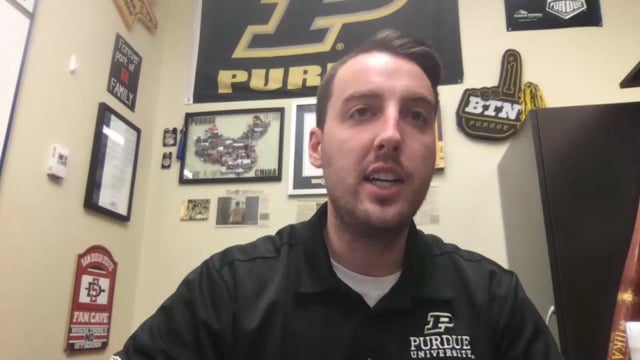
Hiring hundreds of student staff for a university's welcome-week program used to mean renting out a campus gym, running interviews for a full week straight, and asking each candidate roughly twenty questions in person. When in-person interviews became impossible, that process moved entirely to asynchronous video interviewing, and the change stuck.
The redesigned process cut candidates down from twenty questions to five, without losing the information reviewers needed to make decisions. Each question was capped at two minutes, retakes were set to zero so every applicant had equal footing, and questions were hidden rather than shown in advance, giving candidates thirty seconds to prepare before recording. Candidates were given about a week to complete the interview, with automated reminders replacing staff chasing people down.
Several platform features shaped how reviewers worked:
- A personality-style assessment built into job setup let hiring teams weight traits like attention to detail, composure under pressure, and adaptability before a single interview was reviewed.
- A word-cloud tool surfaced the language candidates used most often, so reviewers could jump straight to every candidate who mentioned specific values, such as inclusion or leadership, and see the exact answer in context.
- Auto-captioning made every submission accessible to reviewers and candidates alike.
- Interviews could be routed directly to specific staff reviewers from within the platform, without a separate link or login.
Bias was addressed directly rather than assumed away: reviewers went through multiple trainings on interviewing and scoring, assignments were made deliberately to avoid friends or partners reviewing each other, and every candidate was scored by two separate reviewers so that large discrepancies in scoring could be flagged and revisited.
The shift also opened the process to applicants who previously couldn't take part at all, including students unable to travel to campus. Reviewers gained flexibility to complete evaluations on their own schedule instead of sitting through a full week of back-to-back sessions, and a large share of applicants who completed a video interview were ultimately hired, with more interviews completed in less overall time than the in-person format required.