A No-Fluff Practical Guide to Boosting Mental Wellness in Your Workforce
November 18, 2021 · Webinars ·
Speakers

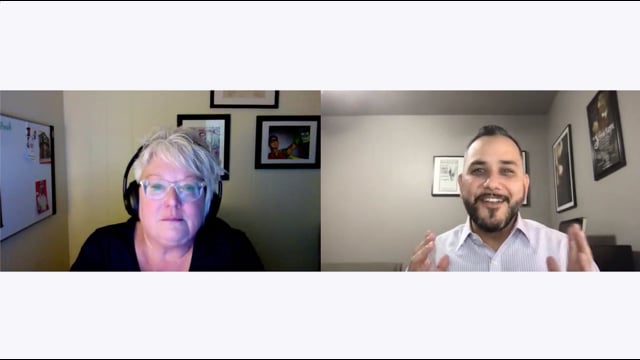
About this video
Workplace stress and burnout rarely start as personal failings. They grow out of environments where employees don't feel heard, where workloads outpace resources, and where managers offer little support. Research from the World Health Organization ties depression and anxiety disorders directly to lost productivity, and identifies specific risk factors: mismatched skills and tasks, unsupportive management, unrelenting workloads, bullying, and a lack of social cohesion among teams.
Addressing this starts with three areas any organization can review and strengthen:
- Psychological safety. Borrowing from Harvard researcher Amy Edmondson's work, this means building an environment where people can take interpersonal risks, disagree openly, and be candid without fear of retaliation. Teams that argue honestly and then recover quickly tend to make better decisions than teams that suppress conflict.
- Trust, and specifically vulnerability-based trust. Consultant Patrick Lencioni's distinction between predictive trust (relying on someone's track record) and vulnerability-based trust (being transparent about weaknesses, mistakes, and fears in real time) matters here. The second kind is harder to build, especially among people trained to appear composed at work, but it's what allows someone to tell a manager "I'm exhausted" without expecting consequences.
- Encouraging self-care. Workplaces that make room for people to acknowledge a bad day, a bad month, or a genuine low point tend to catch burnout before it turns into absenteeism, turnover, or disengagement.
Warning signs that these conditions are missing include rising unplanned absences, dropping engagement scores, and spikes in EAP or benefits usage, which can actually be read as a positive signal if employees feel safe enough to use the support available to them.
Real workplace stories illustrate what this looks like in practice: a leadership team where an executive who slams a door in frustration returns minutes later to apologize and invite more pushback, or a fully remote employee who tells their boss "I'm in a funk and I feel like I'm failing" and is met with problem-solving instead of judgment. Building environments where those conversations are normal, rather than exceptional, is presented as core, ongoing HR work rather than a side initiative.