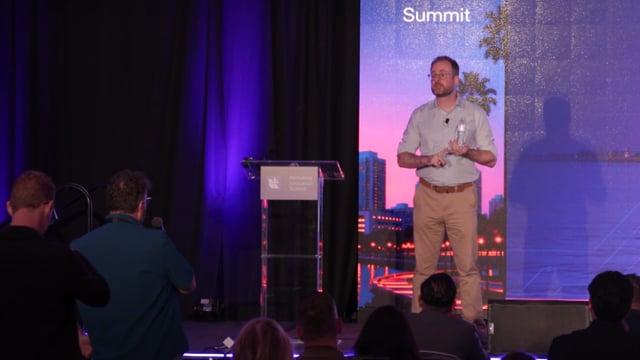
AI as Your Sidekick: Build the AI Agent That Helps You
November 11, 2026 · ERE Recruiting Innovation Summit Fall 2026 ·
Speakers

About this video
Building a personal AI agent means deciding how much to trust it, what it can touch, and where it lives. The core argument is simple: AI won't replace recruiters, but it will take over specific tasks, and recruiting work will increasingly mean delegating to a team of agents rather than a single one. Prompting still matters, but delegation is treated as the most important skill to learn.
Two paths exist for getting started. Managed agents from large providers are easy to try and show where the technology is heading, though not all of them are equally trustworthy with personal data. Building a custom agent takes more effort but gives full control over behavior, memory and permissions.
A working agent setup includes several components:
- A written instruction file that acts as the agent's personality and rules of behavior
- Expandable memory, since most default memory is too small for serious work
- A defined set of skills and tool connections, such as email or messaging platforms
- Explicit permissions spelling out what the agent is and isn't allowed to do
- Hosting infrastructure, whether a personal server, a managed host or a company environment
Tools mentioned for running and securing a self-built agent include a private networking layer to lock down server access, a model router that allows switching between providers to control cost, and a hosting platform favored for being cheap and agent-friendly. Cost differences between models are significant: a talent-mapping task that cost ten to twelve dollars on a premium model returned very similar results for six cents on a cheaper one.
Practical lessons for anyone setting one up:
- Build one agent per task rather than one agent that handles everything, for both security and clarity of memory
- Verify each step rather than granting full autonomy from the start
- Check where data actually goes, and look for providers offering zero data retention
- Chain narrow agents together into an orchestration, such as one that scans social posts, researches the people who engaged, checks their companies and websites, and drafts outreach automatically
A real example walks through automating outreach for a web designer friend looking for new clients: pulling engagement data from a LinkedIn post, researching each person's company and site, screenshotting and scoring their website quality, shortlisting the best prospects, and drafting messages so the only remaining step is hitting send.