Are Your Recruiters Disempowered?
October 20, 2020 · ERE Digital Fall 2020 ·
Speakers


About this video
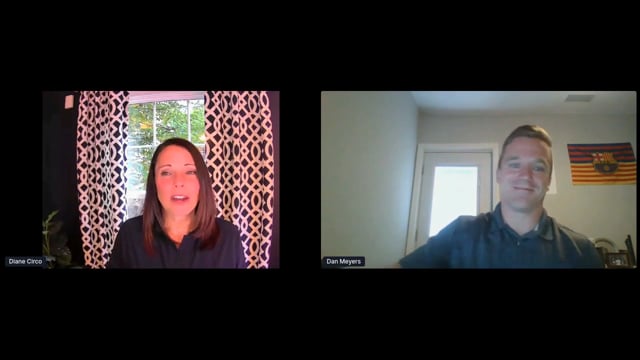
A large in-house recruiting function built for high-volume, transactional hiring faced pressure to become something more strategic, and the shift required rethinking not just technology but the mindset of the recruiters themselves.
After years of measuring success by requisition volume, recruiters were spending their evenings sourcing candidates and had little time left for market research, professional development, or the kind of consultative work that actually moves a business forward. Leadership began interviewing recruiters directly, asking a simple question: what would you do if you had more time? The answers revealed a team stretched thin by transactional demands even as the business was asking for more strategic partnership.
Rather than treating this as a technology problem alone, the response centered on empowerment. That meant creating psychological safety first, defined as the freedom to speak up or make mistakes without fear of interpersonal consequences, since that safety is what allows people to be vulnerable enough to innovate. Building it required honest, non-blaming conversations between leaders and recruiters about what wasn't working, and leadership openly acknowledging past shortcomings rather than assigning fault.
A few practical elements stand out:
- Recruiters were asked to author the team's delivery excellence standards, then articulate how they would deliver against them
- Recruiters are now being asked to redefine what success means and to author updated KPIs themselves, rather than having metrics handed down
- Recruiters were encouraged to practice "polite confrontation," pushing back on hiring managers' assumptions (such as whether a role truly needs to be co-located) instead of simply taking orders
- A pandemic-driven dip in hiring volume was used deliberately as breathing room to reset expectations and accelerate the transformation rather than just survive it
Whether a talent acquisition function ends up in an order-taking role or a strategic one isn't attributed to a single cause. It reflects both how recruiters show up in conversations with hiring managers and how senior leadership chooses to view the function. Empowerment isn't framed as a one-time fix but as an ongoing practice: asking recruiters directly whether they feel empowered, listening to the answer, and building the conditions that make a genuine answer possible.