Ask Us Anything: Candid Q&A on Modern Recruiting Leadership
November 4, 2025 · ERE Recruiting Innovation Summit Fall 2025 ·
Speakers


About this video
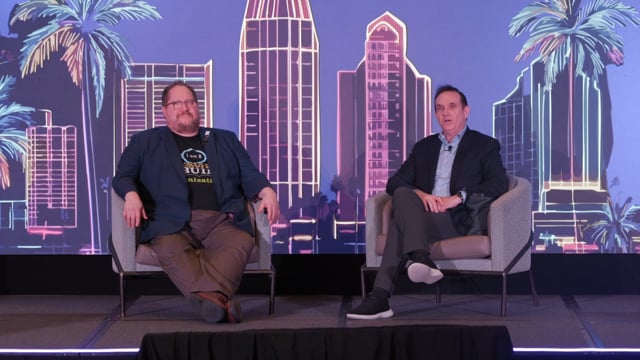
An open question-and-answer session works through the recurring problems that trip up talent acquisition teams, from the very first fix to make in a struggling function to how to get executives to finally take recruiting seriously.
Asked what breaks most often in a talent acquisition organization, the answer keeps coming back to the intake meeting between recruiters and hiring managers. Too often that conversation is treated as a form to fill out rather than a real interview, with recruiters following a script instead of drawing out what a hiring manager actually needs and expects. Roles and responsibilities across the recruiting, hiring manager, and candidate side are rarely spelled out clearly, and that ambiguity is where speed, quality, and stakeholder satisfaction all start to suffer. Documenting intake notes somewhere visible to the whole team, not just in one recruiter's files, is raised as a simple fix.
Other topics covered include:
- Why a single hire is a measurement, not an outcome, and why KPIs should tie back to how many open roles remain unfilled rather than to individual hires
- How to influence hiring outcomes in a recruitment enablement role without directly managing recruiters, by tracing your work back to speed, cost, quality, and consistency
- Why sourcing hasn't fundamentally changed in decades, even with AI tools, since it has always meant finding candidates outside whatever channel has become "traditional"
- The difference between a discovery problem and an engagement problem, and why buying another sourcing tool doesn't help if the real issue is getting candidates to respond
- How to get leadership to prioritize employer branding or recruitment marketing by speaking in terms of time, money, and risk rather than recruiting's own internal challenges
- Why talent acquisition's real customer is the business itself, not individual hiring managers, and why understanding how the company makes or loses money changes every conversation with leadership
A recurring theme throughout is that recruiting teams gain influence not by asking for more resources, but by tying every metric and every conversation to the outcomes the business already cares about.