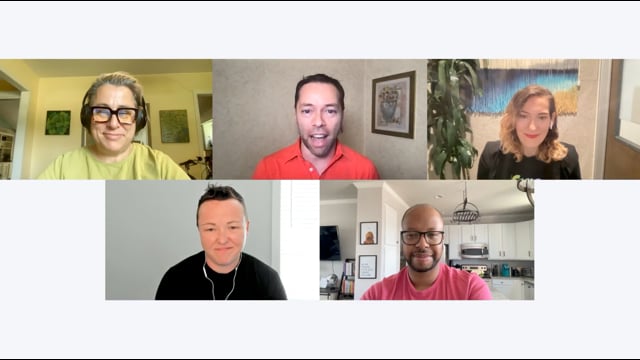
Beyond Pride: Supporting LGBTQ Employees the Other 335 Days of the Year
July 12, 2022 · Webinars ·




About this video
Corporate rainbow logos disappear the moment Pride month ends, leaving a harder question: what does year-round support for LGBTQ employees actually look like in practice? A panel of people leaders and recruiting experts trades concrete tactics for building buy-in, fixing hiring processes, and addressing bias that often goes unnamed.
Getting leadership on board rarely works through spreadsheets and diversity reports. What moves executives is emotional connection: personal stories about identity, safety, and the cost of pretending to be someone else at work. Bringing curiosity into these conversations, rather than trying to "win" them, tends to unlock more buy-in than any statistic.
Several concrete points come up repeatedly:
- Employee resource groups work best when they exist to educate and build community, not to serve as an unpaid crisis-response team whenever news touches the LGBTQ community.
- Context matters enormously: the argument for investment and the shape of that investment look different at a company where most staff are queer versus one where the workforce is more conservative or industrial.
- Hidden bias often shows up in hiring panels through vague feedback like "they just didn't work out," which on closer inspection traces back to how someone dressed, styled their hair, or presented themselves.
- Inclusive recruiting starts before any branding or partnership work. Auditing the actual candidate experience matters more: applying to your own job postings, checking whether candidates can share pronouns or name pronunciation, cutting unnecessary degree requirements, and shortening bloated applications.
- Structured interview panels with defined focus areas keep evaluations consistent, so candidates are compared against the same questions rather than subjective impressions.
- Building a genuinely representative talent acquisition team, even if it takes longer, shapes every candidate's first impression of the company.
Throughout, the emphasis lands on small, sustained improvements rather than sweeping overhauls. Progress comes from doing one thing better at a time, backed by real relationships with leaders rather than policy alone.