Building a Better Interview Process
November 1, 2022 · Webinars ·


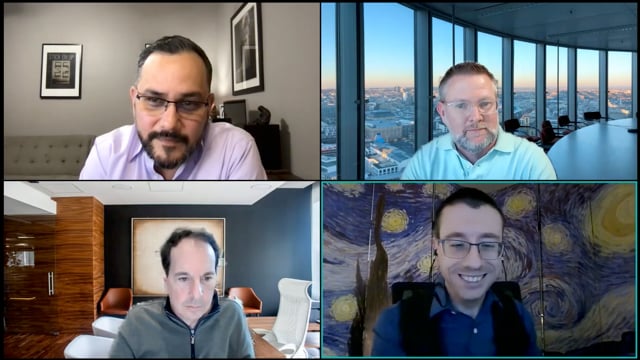
About this video
Interviews remain the most widely used hiring tool, yet most organizations never train the people conducting them. That gap produces inconsistent ratings, lost candidates, weak validity, and room for unconscious bias to creep into hiring decisions. A conversation between practitioners with backgrounds spanning large tech, retail, and financial services companies lays out what actually goes wrong in interview processes and what fixes have held up in practice.
Key points covered include:
- Interviews are assessment tools, and like any assessment they require training and certification, not just a stable of senior employees "winging it" with candidates.
- Different interview formats — job-fit, behavioral, technical — each demand different training, though bias awareness and structured evaluation criteria should span all of them.
- Strong individual performers frequently get promoted into hiring roles without ever being taught how to evaluate talent, creating panels that judge candidates inconsistently.
- Interview panels work best when they include people close to the actual work, not only senior leaders who may be too removed from day-to-day competencies to judge an early-career candidate accurately.
- A consistent, documented "talent bar" matters more than the number of interview rounds; three to four structured interviews are typically enough, and stacking six or seven rarely adds better data.
- Fairness requires that every candidate, from the first applicant to the ten-thousandth, moves through the same structured process evaluated against the same standard.
- Capacity becomes a real constraint at scale — large applicant volumes strain even well-designed interview loops, especially when multiple interview types need calibrated interviewers.
- Asynchronous, recorded one-way interviews can help manage high-volume, entry-level hiring and open the funnel to candidates who can't take time off during work hours, though they carry a real risk of introducing bias earlier in the process through appearance-based judgment.
The overall picture is one of an interview process that needs the same rigor applied to any other assessment: trained evaluators, diverse and appropriately leveled panels, a documented standard for what "qualified" means, and careful thought about where new tools like async video genuinely help versus where they introduce new risks.