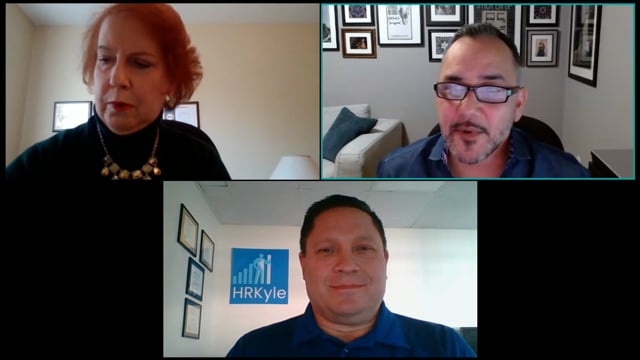
Building a Future-Ready Workforce: Strategies for Effective Workforce Development
December 17, 2024 · Webinars ·
Speakers
About this video
Workforce development means putting the right people in the right roles at the right time, with an eye on where an organization needs to be in five or ten years rather than just filling today's openings. That planning has to start with mission, vision, and values, because those define what skills a company will need to grow and how recruiting, training, and retention decisions get made.
Several practical steps and frameworks come up for building a workforce development plan:
- Getting a seat at the leadership table so HR and talent functions understand business goals before trying to plan staffing or training around them.
- Auditing current skills through performance reviews, resumes, education history, and informal conversations with frontline supervisors, who often know employees' strengths better than anyone else in the organization.
- Asking employees directly what they like about the company, what they don't, and what they'd like to see change — a simple three-question approach used successfully across multiple shifts at a manufacturing company to uncover both individual career goals and organizational blind spots.
- Building accurate job descriptions once skill gaps are identified, making sure they reflect actual requirements and comply with relevant employment regulations.
- Assessing willingness to grow, since not every employee wants a new role, and treating that honestly rather than pushing development on people who prefer to stay where they are.
- Using mentors who are trained to teach process without being rigid about "the way we've always done it," since a good mentor should be open to better methods while still passing on institutional knowledge.
- Weighing the real cost of training, including time away from work, whether it happens on site or off, and how it fits into daily production or service schedules.
Retention comes up as a recurring theme tied directly to development: employees who feel like the organization has a stake in their future — and says so out loud — tend to change their attitude toward the job, even in industries known for high turnover like manufacturing and distribution. Aligning what a business needs with what its people want turns out to be the harder half of workforce development, but also the part most likely to keep good employees from walking out the door.