Building Better Teams: How Collaboration Drives Successful Hiring Decisions
July 25, 2024 · Webinars ·



About this video
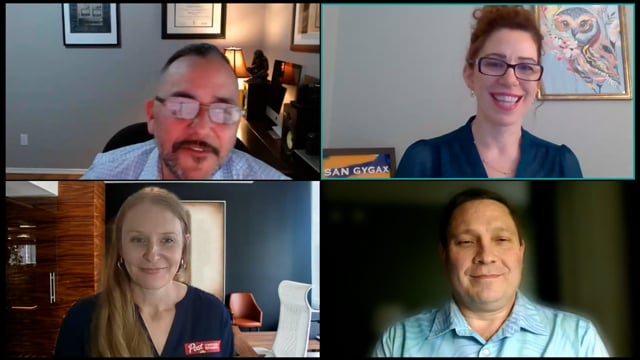
Hiring decisions improve when talent acquisition professionals treat themselves as the driver of collaboration rather than an order-taker filling a requisition. That shift starts with language: replacing the traditional "intake call" with a strategy session that brings hiring leaders, HR business partners, and technical experts to the same table before a search ever begins.
Key practices for building that collaboration include:
- Identifying stakeholders early, including internal partners who represent different functions, perspectives, or technical expertise, so the candidate slate reflects a genuinely diverse set of viewpoints rather than a narrow interview panel.
- Building a feedback loop into every search from day one, checking in with hiring leaders as candidates move through the process to confirm the strategy is still working rather than waiting until the end to discover a mismatch.
- Coaching interviewers to give objective, actionable feedback rather than vague reactions like "not a good fit," including clear guidance on what a strong versus weak response to each interview question looks like.
- Choosing feedback tools that match the culture of the department: simpler rating scales and open comment fields tend to get better participation across most teams, while technical groups such as engineering, finance, or science functions often gravitate toward more detailed rubrics and should be allowed to use them as long as they still map back to the agreed hiring criteria.
- Using applicant tracking systems and add-on tools to make interviewer comments more tangible and comparable, turning scattered impressions into a written record that can be calibrated against what the hiring leader originally asked for.
- Earning buy-in from resistant stakeholders by building a track record of credibility, sharing concrete data and past wins rather than simply asking hiring managers to trust a new approach.
Throughout, the emphasis stays on flexibility: a hiring process that can pivot when early candidates don't match expectations, guardrails that keep a search consistent without turning it into a rote exercise, and a talent acquisition function that acts as an objective partner rather than someone racing to close a requisition.