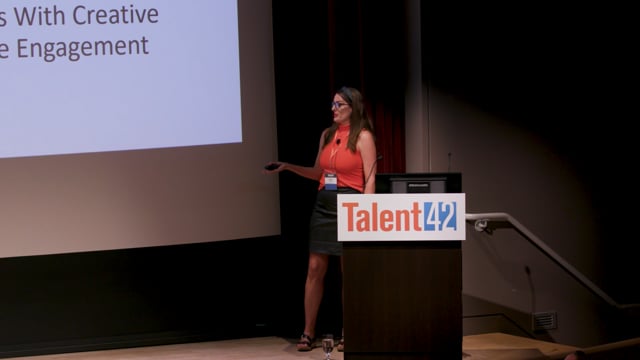
Death to Spam Emails: Making Great Hires With Creative and Easy Candidate Engagement Strategies
June 27, 2022 · Talent42 2022 ·
Speakers
.jpg)
About this video
Cold outreach emails increasingly get ignored, especially by senior and passive candidates who have already been burned by impersonal recruiting pitches. A funnel breakdown from inside a large tech company's recruiting operation shows what happens when that approach gets replaced with lower-pressure, higher-trust engagement built around listening to candidates directly.
Rather than surveys, candidates who were declined were invited to short calls to talk honestly about what went wrong, what confused them, and what would have helped them prepare. That feedback, combined with funnel data on where candidates dropped off and conversations with hiring managers and engineers, pointed to a clear problem: candidates were being asked to apply and interview before they had any real information or reason to trust the process.
Two recurring, low-commitment formats addressed that gap:
- Weekly virtual coffee chats open to passive candidates, prior applicants who never heard back, and people already mid-process, framed as a casual, no-obligation way to ask questions with cameras optional and anonymous questions welcome
- Twice-weekly group interview prep sessions, open to anyone before they even completed a phone screen, built from patterns seen in interview debriefs and hiring manager feedback about why candidates were failing
- Recurring informational sessions pairing candidates with an actual engineer from the hiring team, since a recruiter's own credibility on technical role details is limited and candidates notice
- Partnering with employee resource groups to reach candidates through networks and events a recruiter wouldn't otherwise have access to
Each of these ran on a fixed calendar invite attached to every outbound message, posted on LinkedIn, and shared by hiring managers with their own networks, so it built momentum without adding to outreach volume.
The result was a sharp rise in response rates and a multi-stage improvement in conversion, including a large jump in candidates passing onsite interviews after joining prep sessions. Hiring leaders got more engaged with less time investment, showing up occasionally to a recurring chat rather than running one-off sourcing pushes with poor returns. Candidates reported feeling supported rather than processed, and the goodwill outlasted individual hires, with former candidates returning months later to ask about rejoining a session or referring friends.