Finding the Findable People: Attracting, Finding and Evaluating Developer Advocates
November 9, 2020 · Talent42 Digital Fall 2020 ·
Speakers

About this video
Developer advocate roles look simple on a job req and turn out to be anything but. The title covers at least three distinct profiles, and hiring managers rarely agree on which one they actually want until someone forces the question.
The three profiles worth separating during intake:
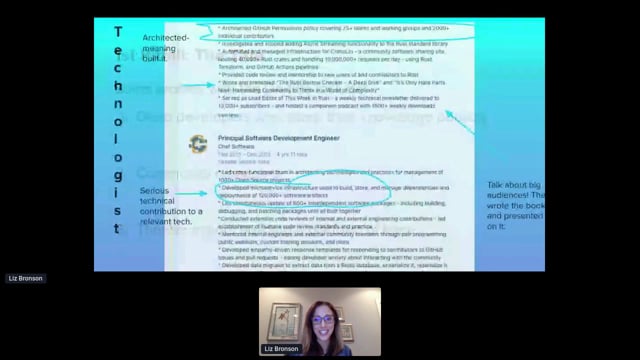
- Deep technologists: strong engineers with titles like Principal or Staff Engineer who write books, edit newsletters and teach, but have rarely held a "developer advocate" title before.
- Community managers: the go-between for community and product teams, building programs, contributing to open source, and translating user feedback into action.
- Platform builders: less technical, highly public figures who generate buzz through humor, personality and constant content, drawing attention to a company simply by being visible.
Getting alignment before sourcing starts matters more than usual here. Bringing all three profiles into the first intake meeting, then asking a hiring manager to name a real person in the community who fits what they want, turns a vague request into a workable target list. A second kickoff with every interviewer on the loop prevents the common failure mode: one stakeholder screening for a technologist while another expects a showman, guaranteeing that no candidate ever clears the bar.
Because these candidates maintain public, highly followed profiles, a clumsy reach-out or a subjective rejection can turn into public commentary fast. Sourcing works best as a slow, one-by-one process: reviewing a candidate's Twitter, blog, GitHub and podcast appearances to confirm which profile they fit, then finding them through technology hashtags, conference speaker lists, and podcast guest rosters rather than a generic Boolean search. Outreach built on three specific, researched details about the person, paired with a clear statement of impact and company opportunity, gets responses from people who would ignore a templated message entirely.
Turndowns need the same care. Feedback tied to a subjective judgment like "not technical enough" invites public pushback from someone with a large following and a habit of arguing publicly. Staying complimentary, tying any feedback strictly to documented job requirements, and only offering it when asked keeps a rejected candidate from becoming a cautionary tweet.