From NFT Sites to TikTok, Let’s Find People in Unconventional Ways!
March 10, 2022 · SourceCon Digital Spring 2022 ·
Speakers

About this video
Sourcing gets treated as a series of tips and tricks. A different approach treats it as an investigation: a repeatable process for building a full picture of a person from scattered, often deliberately cloaked, pieces of data.
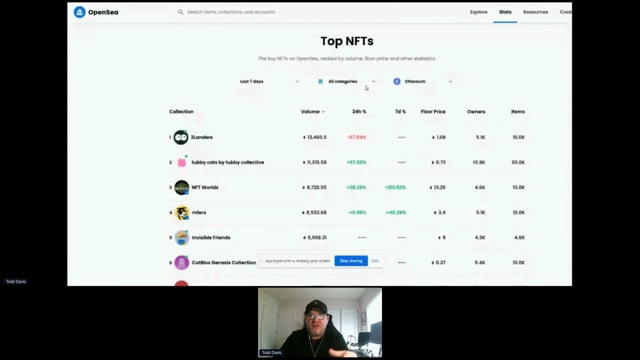
The demonstration starts on OpenSea, one of the largest NFT marketplaces, using a top-ranked NFT project as a case study. The project's team page lists only usernames and vague roles, one of them a "full stack developer" with a joke bio and no real name attached. Rather than stopping there, the process pushes further:
- Searching the username directly, in quotes, alongside "GitHub" to force a targeted result instead of relying on a search engine's own recommendations
- Opening the matching GitHub profile and checking repositories, followers, and commit history for names that surface in code comments
- Viewing a repository's page source and searching for "author" or "content" tags, which can reveal a name buried in the code that never appears on the visible page
- Treating that first name as a lead, not a conclusion, since multiple contributors can appear on the same repository
- Cross-checking that name the same way, and comparing profile details, linked personal websites, and location clues to confirm whether it is a real identity or another alias
The same layered thinking applies to building organizational charts and finding verified contact information. No single tool produces a complete org chart; a paid research resource covering company structure gets combined with people-search and reverse-lookup tools to fill gaps. One walkthrough uses a public figure's name and known employer and location to narrow results on a contact-lookup site, using site-operator search instead of paying for a full report, then cross-referencing the result against mapping tools to confirm the match.
A reminder runs through all of it: treat any single data point as a hypothesis to verify, not an answer to accept. Cloaked usernames, stale repositories, and misleading display names are built to end a casual search early. Getting past them means checking source code, cross-referencing multiple identifiers, and being willing to backtrack when a promising lead turns out to be a dead end.