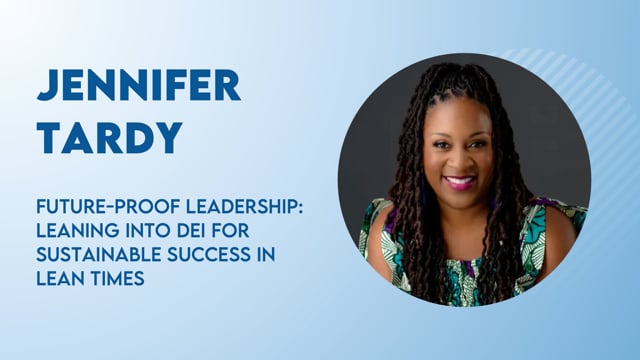
Future-Proof Leadership: Leaning Into DEI for Sustainable Success in Lean Times
November 14, 2024 · ERE Recruiting Conference Fall 2024 ·
Speakers
About this video
Hiring systems were built to advantage some groups and disadvantage others, and that design still shapes who gets seen as qualified today. The employment system functions like housing, healthcare, or the justice system: it grants access and requires the ability to navigate it, and both are unevenly distributed. Recruiters and hiring managers sit inside one of the most powerful of these systems, controlling outcomes that ripple into paychecks, homes, and communities.
A central problem is language and perception. Calling someone "diverse" as an individual misunderstands the concept — diversity describes a group, not a person — and that kind of framing quietly others people who are already navigating rooms where they don't see themselves reflected. Ambitious candidates who resemble organizational norms read as qualified; ambitious candidates who don't often get coded as "not quite ready," a softer but equally damaging form of gatekeeping.
Four milestones in the hiring process offer places to intervene:
- Attraction: organizations constantly signal who belongs, through marketing, career pages, social posts, and the causes and events they highlight. Employer brand deserves the same investment as company brand, since the audience that buys a product isn't always the audience that needs to see itself welcome to apply.
- Interviewing: interview performance is a poor stand-in for job performance. Degrees, certifications, and polished interviewing are all "skill proxies" — stand-ins that have been handed authority they don't deserve. Skills-based interviewing, built around watching someone actually demonstrate a capability, closes that gap.
- Selection: hiring based on identity, in either direction, is illegal and misses the point of increasing representation. The real asset is what's described as lived experience intelligence — the insight and perspective that develops from life events, which organizations routinely undervalue when screening for "fit."
- Retention: once inside, underrepresented employees often face a second obstacle course, asking what they now have to become to earn the next promotion.
Hiring for potential has a place, but only after biased lenses are cleared enough to recognize the qualified people already in the pipeline — candidates overlooked because of hairstyle, schooling, or other markers that have nothing to do with capability.