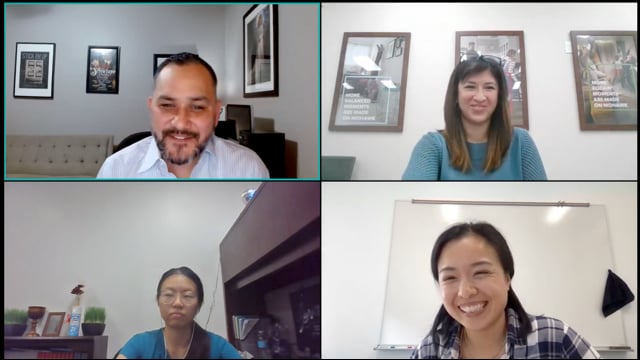
How to be a Great Campus Partner: A Fireside Chat with Leaders in College Recruitment
December 6, 2022 · Webinars ·



About this video
Campus recruiting looks different than it did a few years ago, and the shift goes beyond the return to in-person events. Recruiters who work directly with universities describe how student expectations, career center relationships, and event formats have all changed, along with what actually earns a company goodwill on campus.
Key points include:
- Students moved through distinct phases during the pandemic: early virtual events drew anyone who could log in, later seasons saw students become more selective with their time, and now most are craving in-person contact again, though a virtual option still reaches students who cannot attend physically.
- Recent graduates are asking harder questions about growth. Rotational leadership programs that let new hires try several departments before settling into a role have become a strong draw, and expectations around promotion timelines have compressed noticeably compared to a few years ago.
- Candidates today treat the employer relationship as a two-way match rather than a one-sided pitch, often juggling multiple offers at once, which makes it more important for companies to be upfront about their culture and values rather than trying to appear universally appealing.
- Moving beyond transactional job fair appearances means volunteering to judge case competitions, lead resume workshops, or run mock interviews, which signals genuine interest to career center staff and often generates far better engagement than a standard fair booth.
- Connecting with active student organizations, particularly those tied to diversity initiatives, works best when done through faculty advisors, since student leadership turns over every semester.
- Sponsoring soft-skills workshops, offering senior capstone projects, and joining student-run mixers rather than only university-hosted events all build the kind of ongoing, personal relationship that a career fair alone cannot.
- Industry panels featuring multiple employers give students more reliable career advice than any single company's messaging, since students often encounter conflicting resume and interview tips online and benefit from hearing how practices vary by employer.
- Small, low-cost gestures such as sponsoring snacks or wellness breaks during exam weeks build goodwill with career centers and students without requiring a large recruiting budget.
Across every tactic, the common thread is sustained effort rather than one-off appearances: showing up for a career center's existing programming, treating student organizations as long-term relationships, and being clear about what a company actually offers rather than trying to be everything to every candidate.