How to be a True Diversity Sourcing Ally
September 21, 2020 · SourceCon Digital Fall 2020 ·
Speakers

About this video
Allyship in recruiting is defined less by intention and more by consistent, uncomfortable work: actively using privilege and access to support marginalized groups, and being recognized for that effort by the communities themselves. Being an ally is not something anyone can self-appoint. It requires learning, unlearning, and accepting that the work centers on others rather than the person doing it.
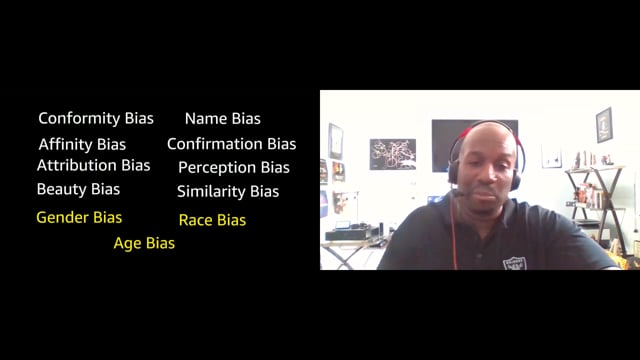
Bias gets examined at its roots, tracing back to cognitive dissonance theory and the mental shortcuts that let people reject facts that threaten their existing beliefs. Several specific biases come up by name, including affinity bias, confirmation bias, beauty bias, and height bias, alongside the more familiar gender, race, and age bias that show up most often in litigation and workplace dissatisfaction. Microaggressions get covered too, including seemingly complimentary comments like calling someone "articulate" or giving a colleague a nickname tied to their identity.
A practical process for building diversity sourcing strategy from the ground up includes:
- Reviewing job requisitions during intake meetings to strip out gendered language such as "ninja," "rockstar," or "dominant," and eliminating subjective interview questions unrelated to skills
- Building a market intelligence sheet that maps keywords, competitor layoffs, target schools, and demographic organizations before sourcing begins
- Using data resources such as HBCU-focused college directories, Data USA, CollegeView, and City Data to research school demographics, regional income data, and where to focus recruiting spend
- Incorporating diverse interviewers throughout the hiring process, not just at the final stage
- Approaching outreach with a "white glove" mindset rather than a one-size-fits-all message, referencing a candidate's specific school, hobbies, or background while avoiding assumptions about nontraditional institutions
The financial case gets made directly too: companies with stronger diversity outperform their industry peers by a meaningful margin, tying the ally work back to business outcomes rather than treating it as separate from them.
Diversity can truly be a team sport.
The overall approach treats allyship as something practiced daily, in casual conversations, hiring decisions, and the moments bias shows up unannounced, rather than a one-time initiative.