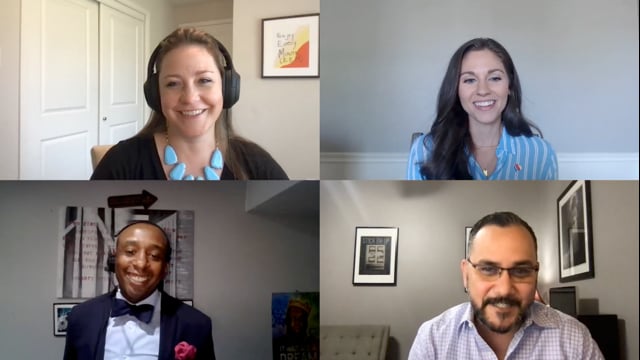
How to Build an Employee Ambassador Program: A Fireside Chat With Leading Employer Brand Practitioners
July 14, 2022 · Webinars ·



About this video
A conversation between employer brand practitioners lays out what it actually takes to turn employees into recruiting assets, moving past the idea that an "ambassador program" needs to be a big formal initiative before it can work.
Key points covered include:
- Defining an ambassador broadly: every employee is treated as a potential brand representative, not just a curated group of top performers or extroverts.
- Aligning candidate experience with employee experience by pulling data from internal teams so that what gets promised during recruiting matches what new hires actually find on day one.
- Giving recruiters continued visibility after hire, including small tactics like leaving a recruiter's name on internal emails so a new employee still has a familiar face to reach out to.
- Using disengaged or overlooked employees as ambassadors, since giving someone a platform to represent the organization can be a path back to engagement rather than a reward reserved for star performers.
- Equipping employees who are already posting on social platforms with talking points and trackable links, rather than trying to script their voice, so organic content (including one employee's viral video that drove an enormous spike in applicants) can be measured and supported.
- Building community among ambassadors instead of treating them as isolated content producers, so they can trade challenges and solutions rather than operating in a vacuum.
- Starting small when there's no budget or headcount: using existing tools like internal messaging platforms, running short trainings on a single channel such as LinkedIn, and rolling it out to one team before expanding.
- Leaning on employee resource groups as a ready-made, engaged community for testing internal storytelling before pushing content externally.
- Reinforcing storytelling culture through recognition programs and internal shout-outs, so employees see that sharing their experience gets noticed and valued.
The overall picture is less about software or formal titles and more about identifying who's already telling stories, giving them structure and support, and treating recognition and community as the fuel that keeps an ambassador effort alive.