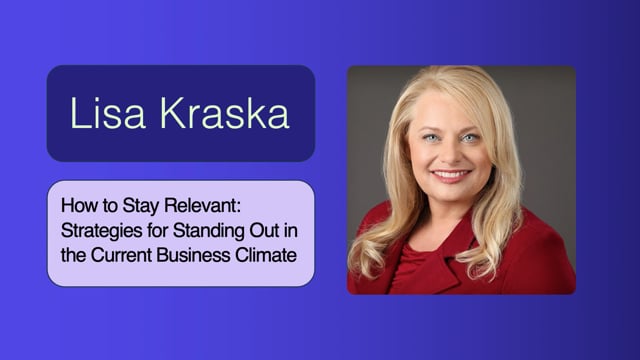
How to Stay Relevant: Strategies for Standing Out in the Current Business Climate
April 29, 2025 · ERE Recruiting Innovation Summit Spring 2025 ·
Speakers

About this video
Talent acquisition leaders are navigating shrinking budgets, layoffs, return-to-office mandates, and growing pressure to prove their value to the business. Drawing on interviews with dozens of TA and HR leaders, along with research from major HR data providers, the material lays out what actually separates recruiters who stand out from those who get cut when times get tough.
Several themes emerged from those conversations:
- Human touch still wins. A ten-minute phone call to a frustrated candidate, or simply picking up the phone instead of defaulting to text or email, changes how people experience a hiring process. Cutting phone screens to save time has been shown to increase no-shows and early quits.
- Recruiters are expected to become strategic talent advisors rather than order-takers, a shift that has been discussed for decades but still hasn't fully happened on most teams.
- Partnership beats silo. Teams that stay embedded with the business, rather than protecting their own turf, build more trust with hiring managers and peers.
- Proactive workforce planning matters even inside a reactive business. Simply staying active in the conversation about future talent needs, rather than waiting to be asked, is itself a differentiator.
- Knowing the business, its priorities, its pressures, its language, is treated as a nonnegotiable, ongoing responsibility rather than a box to check.
- Technology adoption separates people who keep their jobs from people who don't. The line isn't "AI will replace recruiters," it's that recruiters who use AI well will replace those who resist it.
Common pitfalls also came up repeatedly: deferring decisions instead of contributing a point of view, judging hiring managers instead of helping them, quietly sabotaging processes like search-firm engagements, avoiding the phone in favor of convenient but impersonal tools, leaning on the wrong kind of automation for complex roles, and making decisions from a place of fear.
Underlying all of it is a simple idea: every interaction is a chance to help someone else, whether a hiring manager or a candidate, be smarter about the talent market. Sharing real market data, understanding competitors' hiring processes, and treating candidates and employees with genuine respect are framed as the habits that hold up regardless of budget or headcount.