Human Intelligence vs. Artificial Intelligence in the Hiring Process
April 7, 2022 · ERE Digital Spring 2022 ·
Speakers
_ccexpress.jpeg)
About this video
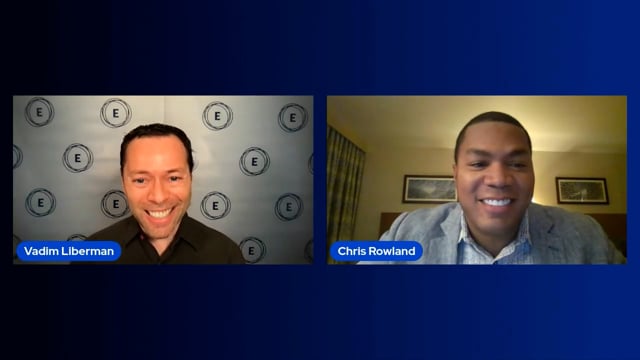
Bias in hiring rarely announces itself, but it shows up in who gets called back, who gets moved forward on a slate, and whose name triggers a different tone in an interview. That firsthand experience frames a conversation about where artificial intelligence genuinely helps recruiters and where it can just as easily reinforce the same old patterns.
A clear line gets drawn between automation and AI. Automation speeds up mechanical tasks like scheduling. AI is meant to simulate judgment: ranking or matching candidates through algorithms and logic. That distinction matters because AI trained on years of biased hiring decisions can simply learn and repeat that bias faster and at scale, especially when the applicant pool feeding it lacks diversity to begin with.
Several practical points come up:
- AI sourcing tools work best when built with inclusion as the starting design principle, not bolted on afterward, matching equivalent experience across different backgrounds, such as military rank to corporate title, or gendered job titles like waiter and waitress to a single equivalent role.
- Bias can enter from the job description itself, so reviewing postings for skewed language before they reach a matching algorithm is part of the process.
- A trustworthy AI sourcing system works both directions, matching companies to strong candidates and also surfacing roles to candidates who might otherwise overlook a job based on title or unfamiliarity with the employer.
- Continuous auditing of outcomes, not a one-time build, is what keeps a matching algorithm from drifting back toward old patterns.
- Regulatory guidance requiring transparency and independent review of hiring algorithms is treated as a positive development rather than a burden.
- The strongest current use case for AI sits at the top of the funnel: sourcing and matching at scale, freeing recruiters for relationship-building, refining hiring strategy, and coaching hiring managers.
Removing bias and finding the strongest possible candidate are treated as the same goal rather than competing priorities. A wider, fairer talent pool is also simply a stronger one, and no organization competing for scarce skilled talent can afford to leave qualified people undiscovered because of a name, a title, or an unfamiliar background.