Important Lessons for Leading Remote and Hybrid Teams
June 7, 2023 · Webinars ·




About this video
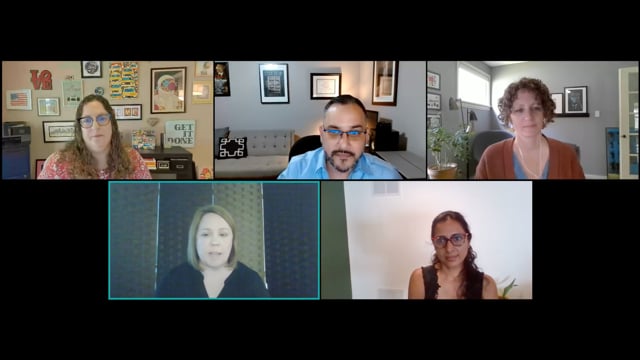
Remote and hybrid work sound simple until an organization has to actually define them, and that definition turns out to matter more than most companies expect. A conversation among people operations, diversity, and talent acquisition leaders works through what "remote" really means once tax law, state employment rules, and candidate expectations get involved, and what it takes to build a hybrid policy that holds up.
- Employees relocating without telling their employer can create real legal exposure: taxes paid to the wrong state, or an employee living somewhere the company has no legal entity to employ them in. Policies need to account for this even though employees often assume location shouldn't matter as long as the work gets done.
- Not everyone thrives outside an office, and assuming they will was one of the biggest mistakes made during the sudden shift to remote work. Some people lose the structure, social contact, and clear start-and-stop points that an office provides.
- Screening for remote fit during interviews can include direct questions about self-discipline, distractibility, and the ability to separate work from personal life. Paying attention to how a candidate writes, since remote and hybrid communication depends heavily on clear writing, is another useful signal.
- The ability to switch off at the end of the day turned out to be a skill many people didn't know they lacked until they were working from home full time.
- Remote and hybrid work is not a binary choice for everyone. Frontline and in-person roles were never part of the debate, and treating "remote versus hybrid" as a universal question ignores that reality.
- Employers need to decide, deliberately, what model they intend to support before asking whether an individual employee wants remote or hybrid work. Remote arrangements only function with real organizational support, not just equipment stipends.
- Hybrid work in particular needs attention to who gets left out: introverted employees, people in the minority on a team, and anyone worn down by back-to-back video meetings can end up quietly disengaged if flexibility is treated as one-size-fits-all.
The discussion returns repeatedly to the idea that flexibility can mean different things to different people, and that building policy around a single assumed version of remote or hybrid work misses most of the workforce it's meant to serve.