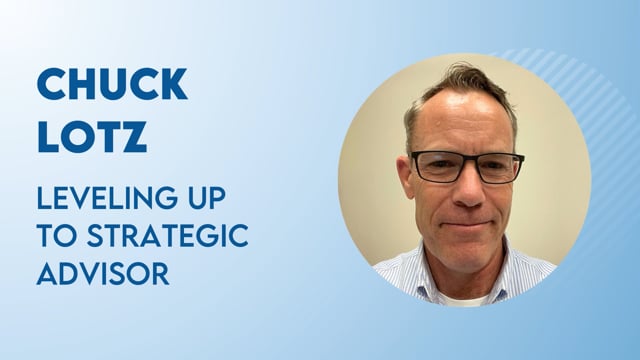
Leveling Up to Strategic Advisor
November 13, 2024 · ERE Recruiting Conference Fall 2024 ·
Speakers

About this video
Recruiting leaders spend a lot of time on status updates and requisition tracking, but the conversations that actually shift perception from order-taker to trusted advisor look different. Three practical shifts make that possible, none of them dependent on new technology.
- Think the long game. Instead of only reporting where open requisitions stand, recruiters ask hiring managers what's coming: what skills the group will need next, not just which jobs will open. Surfacing work already happening behind the scenes, like proactive sourcing or pipelining, and naming its value out loud, helps managers see recruiting as forward-looking rather than reactive.
- Bring the right data, not just any data. Time-to-hire and cost-per-hire dashboards are useful, but the real value comes from finding what matters to a specific business unit and asking what they'd want to see. In one case, a dashboard broken into hiring phases revealed that interviews alone were stretching past a month for an operations group. Sharing that single data point, without pre-built conclusions, opened a conversation with managers about scheduling bottlenecks and a desire to interview more candidates than necessary, and led directly to a plan that could cut two to three weeks from the hiring cycle. Partnering with HR business partners and compensation teams adds context that recruiting alone doesn't see.
- Run business reviews, not talent acquisition reviews. Framing a periodic conversation around the hiring group's priorities, rather than recruiting's metrics, opens the door to information that wouldn't surface otherwise. One such conversation revealed that a client group was about to overhaul job categories that hadn't been reviewed in years, giving the recruiting team advance notice to prepare for changing skill requirements instead of learning about it after the fact.
Additional discussion covers how these conversations feed workforce planning efforts led jointly with HR business partners, and how external market data, from labor statistics to talent intelligence platforms, can sharpen sourcing strategy once a business review relationship is established. The overall approach favors patience and iteration: start with one group, build trust through a handful of conversations, and let the relationship expand from there rather than trying to overhaul the model overnight.