Leveraging Talent Intelligence to Elevate Your Hiring Team's Kick-off Conversations
June 3, 2024 · Talent42 2024 ·
Speakers

About this video
A financial institution facing a wave of executive hiring used a case study approach to rebuild how its recruiters open every search: replacing the traditional kickoff meeting with what the team calls a recruiting strategy conversation. The goal was blunt: save significant agency spend, change how hiring managers perceived talent acquisition, and build a culture of excellence. An outside consultant had flagged three problems behind the old approach: recruiters weren't taking ownership of the process, delivery of candidates was inconsistent, and time to fill was too long.
The fix centered on bringing data into the first conversation with a hiring manager, rather than after a requisition opens. Before that meeting, recruiters now pull together:
- A map of exactly how many qualified candidates exist for the role across the states the organization can legally hire in, using tools like SeekOut's smart-match and talent-insights features
- The diversity mix of that available talent pool, tied to the organization's stated diversity goals
- A list of comparable companies where similar talent already works, to ground conversation about competitors and candidate backgrounds
- A read on what that specific talent audience actually wants in a job, since research shows hiring managers tend to focus on the role and the company while candidates care more about career path, stability, income and work-life balance
- A rewritten job description turned into a sharper job ad using generative AI tools
- A historical, data-based estimate of how long the search will realistically take, plus where past hires for similar roles came from
Behind the framework sits a broader philosophy about candidate messaging: keep it consistent because people aren't always looking; find out what candidates actually want before pitching them; make the message about them, not the employer's brand; send messages iteratively rather than as a single blast; and keep candidates in orbit around the brand over the long term rather than treating each opening as a one-off transaction.
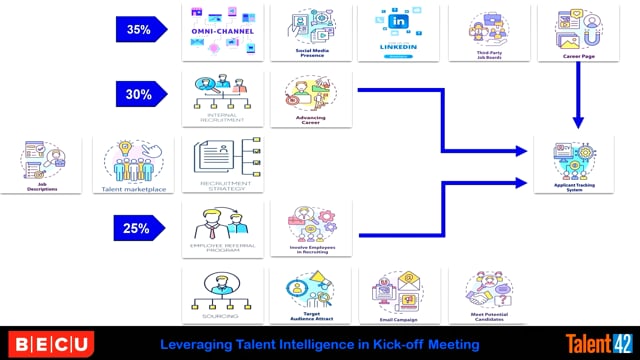
On the tech side, the stack combines an applicant tracking system, AI copiloting for talent-intelligence research, sourcing platforms for candidate matching and diversity data, and generative AI for job-ad writing, all integrated through APIs so results can be tracked from first outreach to hire.
The payoff showed up in hiring manager feedback: fewer complaints, faster buy-in, and a noticeably different reputation for the recruiting function among both veteran managers and new executives brought in during a period of rapid leadership turnover.