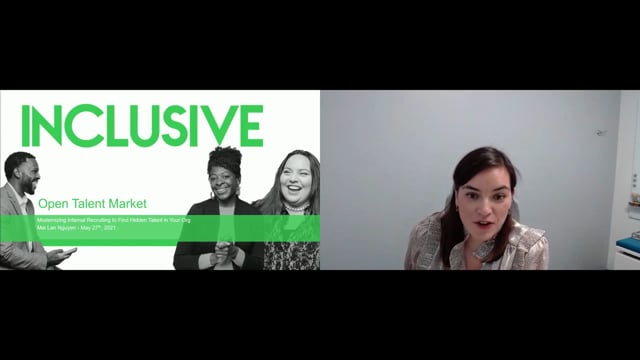
Modernizing Internal Recruiting to Find Hidden Talent in Your Org
May 27, 2021 · ERE Digital Spring 2021 ·
Speakers

About this video
An internal talent marketplace built to solve a problem familiar to many large organizations: employees leaving not because they wanted out, but because they couldn't find their next opportunity inside the company. The story behind Schneider Electric's Open Talent Market covers why it was built, how it works, and what changed once it launched.
The platform functions like an internal LinkedIn. Employees import a profile, and an AI engine matches them to open roles, short-term projects, and mentoring relationships based on skills and interests rather than who they happen to know. Managers can no longer rely solely on their existing networks to fill roles, which widens the candidate pool and supports diversity goals. Full-time jobs from the applicant tracking system feed directly into the platform alongside part-time project gigs, where employees can spend a portion of their time working outside their usual function to build new skills.
Getting the technology right was described as the easier half of the work. The harder part was cultural:
- Eliminating a longstanding rule requiring employees to stay in a role for a set number of years, and requiring manager approval, before applying elsewhere
- Opening every role, at every level, to internal visibility instead of keeping many postings hidden or outdated
- Giving recruiters shared ownership of both internal and external hiring after an early attempt to separate the two roles failed
- Building regular career check-in conversations into manager routines so internal moves stop being a surprise
- Guaranteeing every applicant a response, even a simple thumbs up or down, instead of leaving people in the dark
Adoption numbers and lessons learned along the way are laid out candidly, including where fill rates still lag and why. Project-based gigs turned out to be the biggest surprise, giving individual contributors visibility and stretch experience that led directly to promotions, including one employee who moved from an operations role into presenting sustainability strategy to government officials.
The broader argument is that a marketplace tool only works when paired with a genuine shift in how managers think about ownership of talent, and that organizations building similar systems need to match the approach to their own culture rather than copy a template wholesale.