Money Talks, But It Won't Be Enough: Identifying the Best Incentives to Lure Job-Seekers
September 23, 2021 · ERE Digital Fall 2021 ·




About this video
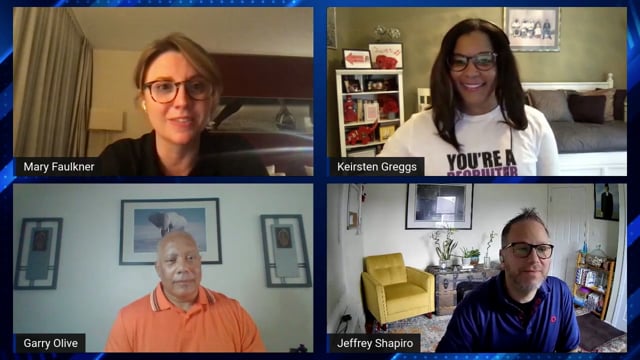
Attracting candidates in a tight labor market takes more than a paycheck, and a panel of talent acquisition practitioners breaks down what actually moves people to accept an offer versus what's just noise.
Job postings that lead with the organization's pitch rather than the candidate's benefit are called out as outdated. Flipping that structure to answer "what's in it for me" in the first paragraph is presented as a simple, high-impact fix. Related to that is a rethinking of boundaries: giving employees a separate work phone, or a stipend if they prefer to use their own, protects personal time and signals respect for work-life balance in a concrete way.
Daily pay is discussed as a benefit with measurable uptake, letting employees access earned wages before the normal payroll cycle, particularly valuable for organizations that can't compete on base pay alone, such as outpatient healthcare providers competing against hospitals.
Several other points get made:
- Pay itself should not be framed as a "reward" or "perk" since it is the basic exchange for labor, not a bonus for showing up.
- Generic office perks like ping pong tables or snack days rarely function as real differentiators; stipends for phone, internet, parking, gas, and health and wellness programs carry more weight.
- Camera-optional video calls and no-camera days are cited as small but meaningful ways to reduce pressure on candidates and employees.
- Hourly and service-industry roles need safety guarantees and hazard pay treated as baseline expectations, not extras, especially given rising instances of employees quietly walking off jobs.
- Vaccination mandates have become a genuine hiring factor, with some healthcare employers losing candidates over the requirement and some organizations able to use flexible policies as a draw for certain job seekers.
- Recruiters are often left to field vaccine-related questions without clear guidance from leadership, and giving in-process candidates realistic timelines to comply is one practical way hiring managers and recruiters can work together.
The overall picture is one of candidates behaving like free agents, asking pointed questions about role, team, and growth before they'll commit, and employers needing to answer those questions honestly rather than lean on gimmicks.