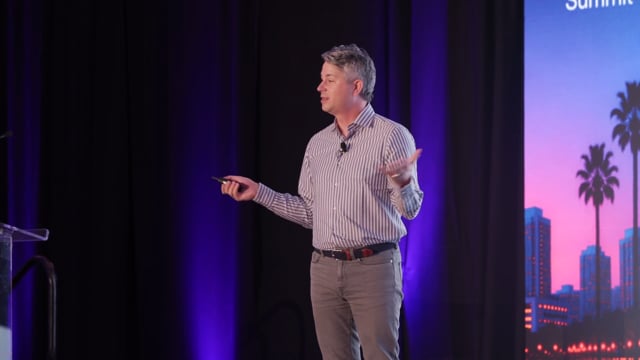
Motion Isn’t Momentum: Where AI Is Taking Talent Acquisition
November 10, 2026 · ERE Recruiting Innovation Summit Fall 2026 ·
Speakers

About this video
A series of benchmark studies spanning more than a year of talent acquisition practice looks past adoption headlines to ask a harder question: is all the AI activity in recruiting actually producing better results, or just more motion?
Comparing organizations that rate themselves ahead on AI strategy against those actually running AI tools in production reveals a wide gap. Being "ahead" on strategy barely moves core recruiting KPIs. Actually deploying AI at scale does, with a large majority of true deployers landing among top performers on time to hire, cost to hire, quality of hire, retention, and hiring manager satisfaction. The difference isn't budget; nearly everyone reports rising AI spend. It's what happens after the purchase.
Much of what gets bought never gets used. Roughly half of purchased AI capabilities are reported as actually live, and only a small share of organizations have nearly everything they've bought running. That gap between procurement and production shows up again and again as the real divide between teams that talk about AI and teams that run it.
What separates the teams getting real gains isn't flashier tools but unglamorous groundwork:
- Formal AI literacy and training built specifically for HR and TA staff, not just general workforce enablement
- Documented processes and clear governance over data ownership before tools go live
- Investment in internal mobility and redeployment as roles shift around AI
- Manager enablement and deliberate change management for AI-affected workflows
Agentic AI announcements aimed at recruiting have multiplied sharply over the past year and a half, but most automate a single step rather than an entire process, concentrated heavily in sourcing, screening, and interviewing rather than final decision-making. Many organizations are shifting lower-stakes tasks to AI while keeping final-round interviews and hiring decisions in human hands, and headcount in HR and TA is growing rather than shrinking at most companies, with AI-driven cuts cited far less often than assumed.
The pattern across the data points to one conclusion: activity and strategy intent aren't the same as results. The teams pulling ahead are the ones finishing the boring work of governance, training, and deployment discipline rather than accumulating more tools.