People Ops Department of One
April 18, 2023 · Webinars ·





About this video
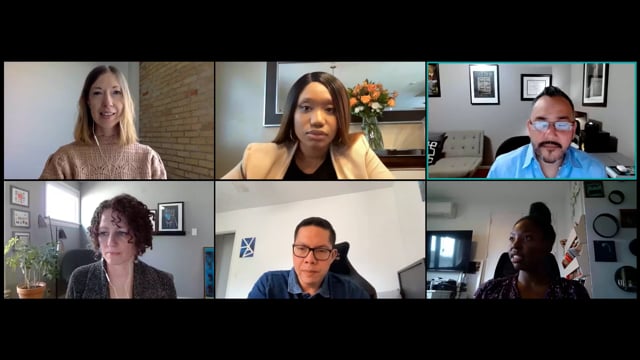
Standing up a people operations function alone, often at a company that has never had dedicated HR support, means figuring out priorities with no roadmap and limited time. A panel of solo HR practitioners walks through how they get oriented, build trust, and decide what to tackle first.
Before or immediately after joining, the recommended starting point is research: understanding the company's history, financials, growth trajectory, and where investment is headed. Equally important is mapping stakeholders — board, leadership, employees — and asking directly what their prior experience with HR has been and what they expect from the function now. That groundwork shapes a roadmap that should be revisited and remapped often, since priorities shift quickly at growing companies.
Early wins that build credibility without requiring a large build-out include:
- Establishing baseline benefits (medical, dental, vision) with room to expand later into disability or retirement offerings
- Setting or refining PTO and holiday policies, with attention to state-specific sick leave rules
- Starting small with listening mechanisms — brief pulse surveys or informal conversations rather than lengthy engagement surveys — paired with visible follow-up action
- Building a basic onboarding experience that gets new hires acclimated quickly, with room to add polish over time
- Launching lightweight peer recognition, such as a Slack channel for shout-outs
- Marking work anniversaries as a milestone worth celebrating
- Offering a modest professional development allowance that managers and employees can shape together
Deciding what to prioritize versus postpone comes down to where the business sits on its growth curve. Companies nearing headcount thresholds tied to compliance obligations need infrastructure work first — multi-state filings, wage and hour rules, and required policies — before culture-building initiatives. A professional employer organization is discussed as a strong return on investment for companies with employees spread across several states, since it removes a heavy administrative burden from a one-person team.
The conversation also addresses how to respond when hiring managers push for headcount amid market uncertainty and layoffs elsewhere. Rather than saying yes or no outright, the suggested approach is an honest intake process: asking how urgently a role is needed, whether existing staff could be cross-trained instead, and how the position connects to actual business and customer demand before greenlighting a search.