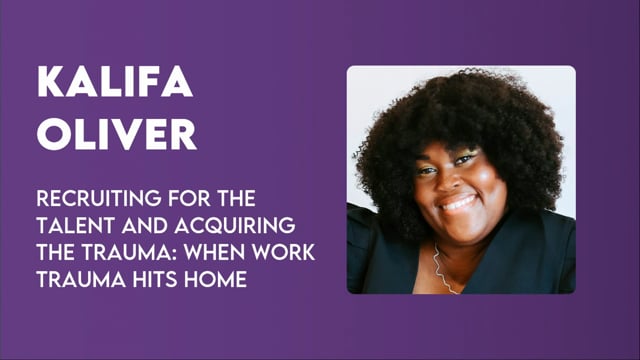
Recruiting For the Talent & Acquiring the Trauma: When Work Trauma Hits Home
April 10, 2024 · SourceCon Spring 2024 ·


About this video
Recruiting right now means sourcing candidates who have survived layoffs, toxic managers, and repeated rejection, often while recruiters themselves face the same instability. The realities of a shrinking, unpredictable job market change what it means to do this work well, and much of it comes down to questions recruiters ask without thinking about why.
Common interview questions get examined for the damage they can quietly cause:
- Asking why a candidate left their last job can force them to relive a layoff, a wrongful termination, or an abusive manager just to satisfy a script.
- Asking how a previous manager would describe them can push candidates to either lie or reopen old wounds from microaggressions or being passed over.
- Neither question is usually relevant to the skills and competencies that made someone worth contacting in the first place.
Workplace trauma is defined plainly: an emotional response to distressing conditions at work that overwhelms a person's ability to cope, whether from a single incident like a layoff or from ongoing bullying, discrimination, or a never-ending reorganization. It doesn't always look like distress. Some candidates show up polished and composed while carrying real damage underneath, which means recruiters can't assume competence signals wellbeing.
Concrete practices for reducing harm during sourcing include:
- Dropping interview questions that don't map to an actual job requirement, especially ones that ask candidates to justify their departure or relive a bad manager relationship.
- Treating rescinded offers and ghosting with awareness of the damage they cause on both sides, since recruiters delivering that news carry their own weight from it.
- Building in space between offer and start date so new hires aren't walking straight from crisis into a new job with no time to process.
- Applying people-centered design: asking how a specific policy, test, or accommodation gap affects the actual person in front of you, not just whether they meet the listed qualifications.
The larger point is that every data point in a sourcing pipeline represents an actual person, and the humane experience a candidate has, regardless of outcome, is what determines whether they recommend a recruiter, come back for future roles, or trust the process at all.