Referral Secrets Your Employees Never Tell You
November 10, 2020 · Talent42 Digital Fall 2020 ·
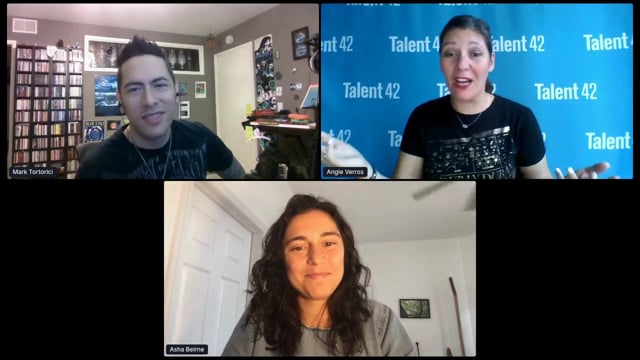
Speakers

About this video
Referral programs run on assumptions that often don't hold up once the data gets pulled apart. A survey of employees and a close look at recruiting metrics turned up three findings that reshaped how one global software consultancy runs its referral program, and none of them matched conventional wisdom.
- Money isn't the driver. The regions with the lowest referral bonuses had the highest submission rates, and most employees didn't even know what the bonus amount was. Referral activity tracked with employee satisfaction, not payout size.
- Probation periods waste goodwill. Fewer than three percent of referral hires left during the standard waiting period before bonuses were paid, so the wait was cut entirely in favor of paying out within one or two payroll cycles.
- Employees don't know what's open. Most staff had no idea what roles the company was actively hiring for, which meant referrals often missed the mark. Monthly campaigns from regional referral champions, plus mentions in all-hands meetings and onboarding materials, fixed the gap.
Acting on these findings meant rebalancing where money and effort went: a flat, modest bonus across roles and regions, resources redirected into employer branding instead of inflated one-off payouts, automated rejection-reason notifications so employees understand why a referral didn't work out, and a forty-eight-hour turnaround commitment so referrers can set expectations with the people they refer.
Underlying all of it is a shift in mindset: employees, not candidates, are the real top of the referral funnel. A recruiter managing referrals is managing two candidate experiences at once, the referral and the referrer, and both shape the employer brand every time.
Employer brand materials built around real employee photos and testimonials, shown on office monitors and later folded into email campaigns, reinforced the sense that referring makes a visible difference. The result was five times the referral submissions within a year of rolling out the new policy and tooling, with stronger conversion, lower cost per hire, and higher offer-acceptance among referral candidates than any other source.
A closing framework covers how to replicate the process: adopt the employee-experience mindset, survey employees and pull recruiting metrics by source, brainstorm across branding, technology, communications and policy, then test and iterate by tracking submissions against each campaign sent.