Soft Skills – Hiring Strategies that Identify and Reward the Right Attributes for the Role
September 16, 2022 · Webinars ·



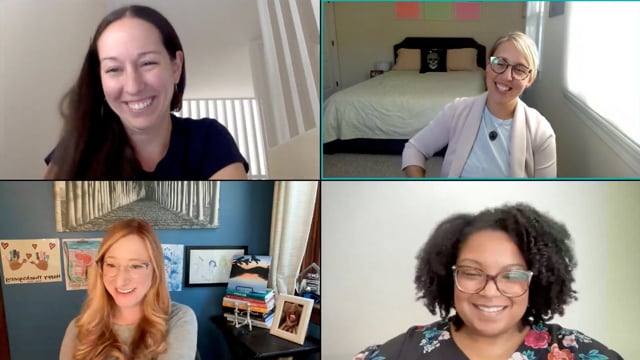
About this video
As jobs grow more collaborative and more remote, the ability to read soft skills in a candidate matters as much as verifying their technical ability, and often matters more. Hard skills can be trained; the flexibility, empathy, and communication style someone brings to a team are harder to teach and harder to measure fairly. A panel of people and talent acquisition leaders lays out how they build soft skills into every stage of hiring, from writing the job requirement to onboarding a new hire.
Key ideas covered include:
- Building a trait-based interview process anchored in company values, so questions about problem-solving or collaboration map directly to the culture a team is trying to build.
- Using behavioral interviewing to get past a resume, asking candidates to walk through past situations rather than hypotheticals, since past behavior is treated as the strongest predictor of future performance.
- Running technical assessments where the correct answer matters less than how the candidate communicates, takes feedback, and works through the problem with the interviewer.
- Naming personal bias before an interview even starts, including the pull toward candidates who are simply easy to talk to, and correcting for it with diverse, multi-person interview panels and honest debriefs.
- Coaching hiring managers to define the actual outcomes a role needs before writing an interview plan, then choosing question formats, behavioral, situational, or panel-based, that surface the right soft skills for that specific job.
- Treating soft skills as transferable but not fixed, since the same person's strengths can show up differently across teams, industries, or remote versus in-person settings.
- Recognizing that interviewers improve with repetition and coaching, and that recruiters play a role in helping hiring managers calibrate what good judgment looks like over multiple hiring cycles.
- Rethinking communication for hybrid and remote roles, where writing a clear email or slack message and connecting with people over video carry as much weight as verbal fluency in a room.
The conversation also touches on how soft skills should factor into performance management and internal growth once someone is hired, not just the interview itself, so that the qualities a company screens for at the door are the same ones it rewards and develops on the job.