Strategic Partnerships: How and Why There Is a Need to Future-Proof Your Talent Acquisition Strategy
March 9, 2021 · SourceCon Digital Spring 2021 ·
Speakers

About this video
Recruitment too often runs as a one-stop shop: an open headcount comes in, a hire goes out, and the relationship resets every time. That reactive pattern is compared to a fast-food model, where recruiters act as order-takers rather than advisors. The alternative is a strategic-partnership approach, closer to how a management consultancy operates, built on proactive, long-term collaboration with hiring managers rather than transactional fulfillment.
Research on the gap between recruiters and hiring managers sets up the problem: majorities on both sides report that the other party doesn't understand the roles being filled, and hiring manager relationships repeatedly surface as a top driver of recruiting performance. Common friction points include hiring managers only engaging when there's an open req, slow feedback on resumes and interviews, requirements that don't match the talent market, and recruiters feeling like they work for managers instead of with them.
A three-part method addresses this directly:
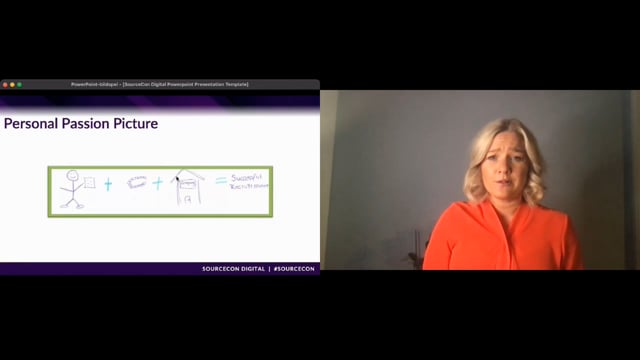
- Get clear on a personal narrative for why recruitment matters, framed around being the link between business needs, team gaps, and candidate goals, so that value can be pitched to hiring managers with conviction.
- Activate hiring managers as participants rather than bystanders: have them help challenge and rewrite job descriptions, co-write pitches and job posts, do candidate outreach themselves, join referral drives, and stay involved even when there's no open requisition.
- Push into spaces outside the usual recruiting zone: business meetings, client calls, product trainings. Sitting in on these builds fluency in business language instead of recruiting jargon, surfaces upcoming organizational changes early enough to plan around them, and keeps talent acquisition part of everyday conversation rather than a once-a-req topic.
Real examples show the payoff: a recruiter invited into client meetings ended up running workshops for a major client and presenting at company thought-leadership events, repositioning recruiting as a contributor to revenue rather than a support function. Another case describes challenging an industry-background requirement in favor of transferable competencies, which widened the talent pool and improved diversity outcomes. A third shows how funnel data pinpointed a miscalibrated final-interview stage as the real bottleneck, rather than a sourcing shortfall wrongly blamed by leadership.