TA Doesn’t Have a Seat at the Table. Here’s How to Earn One.
November 10, 2026 · ERE Recruiting Innovation Summit Fall 2026 ·
Speakers

About this video
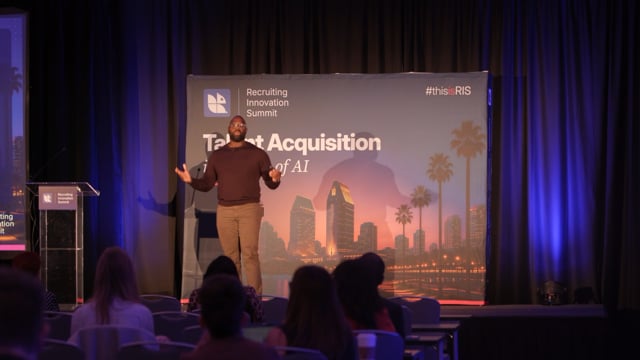
Talent acquisition often struggles to be seen as more than an order-taking function, filling roles only after someone complains, with headcount decisions made in rooms TA never enters. Building real influence starts with three ingredients: bandwidth, skill, and will. Without time to do the work properly, without the capability to do it well, and without the willingness to adapt to new tools and behaviors, no process can become effective, no matter how talented the people running it are.
A firsthand account from the construction industry describes starting with a recruiting process that existed entirely on paper despite an unused applicant tracking system sitting idle. Getting OSHA certified opened access to job sites, which led to real conversations with foremen, service technicians, and welders, and ultimately to more honest, specific job previews for candidates. Candidates respond to problems they can picture themselves solving, not polished descriptions of benefits.
Several working principles come out of that experience:
- Influence is not limited to executive leadership. Individual contributors who carry weight in a room can shape how hiring managers and department heads think, creating a pipeline of trust that moves upward.
- Small, visible wins build credibility faster than big asks. Proving a process works before requesting investment in new tools changes how leadership responds to future requests.
- Matching communication style to the audience matters. A screening summary written for an executive will fail with a hiring manager who wants three clear points, not a report.
- Free or low-cost tools, used quietly and consistently, can demonstrate value before anyone signs a contract. Getting the right information to the right person at the right time matters more than the tool itself.
- A role left open for over a year, tracked by a frustrated hiring manager on a literal day counter, got filled once the underlying information gap was addressed.
- A costly operational problem, tens of thousands of dollars a month in wasted safety equipment spending, traced back to TA never knowing when jobs were starting, a case for getting recruiting into planning conversations earlier.
The overall pattern: visibility comes from going to where business problems actually live, proving value in small, repeatable ways, and building relationships across every level of an organization rather than waiting for an invitation to the top.