TA Pros Reveal How They're Actually Using Tech in the Real World
May 26, 2021 · ERE Digital Spring 2021 ·



About this video
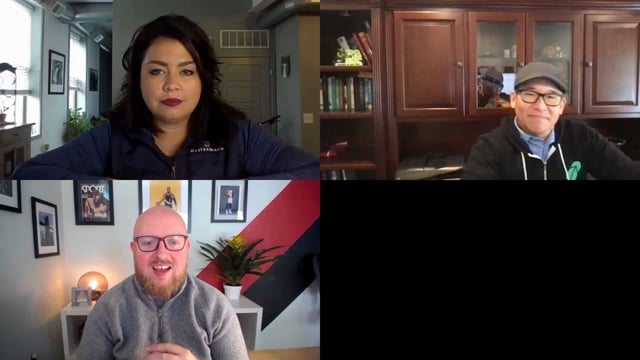
Two recruiting leaders from very different worlds compare what their technology stacks actually look like once the marketing hype is stripped away. One runs high-volume manufacturing recruiting for a cabinet company with plants across the country. The other builds hiring systems for a fast-scaling fintech company that grew from a few hundred employees to thousands in under two years. Both talk through what they've implemented, what failed, and what they're testing next.
Topics covered include:
- Migrating multiple business units onto a single applicant tracking system under a tight deadline, and why no ATS earns universal love from recruiters
- Choosing an ATS based on features that win over hiring managers, such as text messaging and self-scheduling, even when the recruiter-side tools are less robust
- Automating outbound candidate outreach and researching CRM features to manage sourcing at scale
- Using AI-generated match scores to prioritize applicants based on how closely a resume aligns with a job description
- Testing interview-intelligence software that analyzes talk-time ratios and language patterns to flag bias and coach interviewers on feedback quality
- Using structured technical-screening tools staffed by outside engineers to remove subjectivity from early-stage assessments
- Applying an unconscious-bias framework to question assumptions like why a role must be tied to a specific location
- Balancing high-touch human contact, phone screens and video calls, with automated scheduling to keep candidates engaged without losing personal connection
- Rethinking credentialing for skilled trades roles, given how people now learn complex skills through platforms like YouTube, and what that means for sourcing overlooked talent
- Getting hiring managers to accept candidates who meet most but not all listed qualifications
- Building a data-driven case, such as tracking application drop-off rates, to push back on centrally mandated HR platforms that don't serve recruiting well
The conversation contrasts a fast-moving remote-first tech environment with a manufacturing culture built on in-person relationships and physical handshakes, showing how the same underlying technology decisions play out differently depending on workforce, industry, and pace of hiring.