Tech Recruiting Intensive: Proven Tactics for Hiring Software Engineers
May 25, 2023 · Webinars ·




About this video
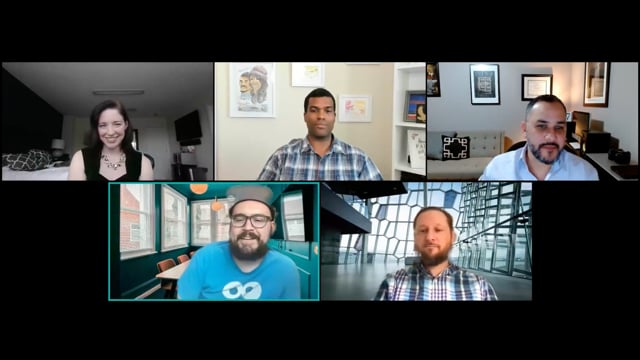
Hiring software engineers well starts long before outreach, with the way roles get described and where recruiters go looking for candidates outside the usual job boards.
Job postings that convert share a few traits: plain, unfancy titles instead of made-up names for common roles, clear detail about the actual project and tech stack an engineer will work in, and honesty about what problem the team is solving. Engineers respond to specifics — what the role looks like in the first thirty and sixty days, what "success" means, whether the work is new build or maintenance. Salary and location, when they can legally be shared, belong in the first outreach message rather than buried behind a click.
Several points on positioning and differentiation come up repeatedly:
- Smaller companies that can't match the scale or resources of a large tech employer can still compete by emphasizing autonomy, ownership, and the breadth of what an engineer will touch.
- Understanding whether a team is building something new or maintaining existing systems matters, because candidates self-select strongly toward one or the other.
- Knowing and being able to explain the tech stack, even without a technical background, removes a major source of candidate hesitation — hiring managers and engineers on the team can walk a recruiter through it in plain terms.
- Steering hiring managers away from an unnecessary fixation on large, well-known tech employers opens up a much wider and often stronger candidate pool.
On sourcing, GitHub, LinkedIn, and Indeed get acknowledged as useful but crowded starting points. Less obvious channels include developer communities on Reddit, where language- and framework-specific subreddits run recruiting megathreads and reward recruiters who follow community rules; Discord servers built around specific developer communities, findable even without an invite through indexing tools; meetup groups organized around particular programming languages, where recruiters willing to learn to code themselves can build real relationships; and conferences, including ones aimed at increasing diversity in tech, many of which are now free to attend online.
Across all of these channels, the common thread is treating candidates as members of a professional community rather than leads — offering something of value, like a resume review or honest insight into which companies are hiring, before ever asking for anything back.