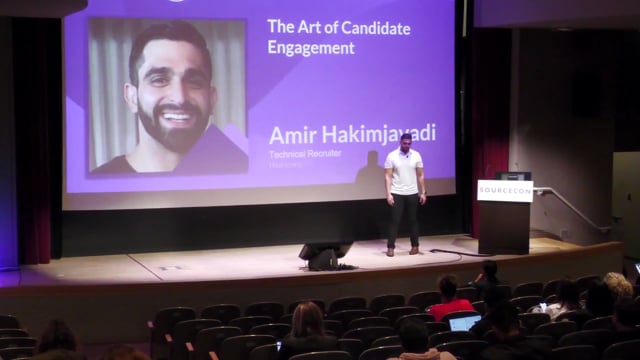
The Art of Candidate Engagement
October 18, 2022 · SourceCon Fall 2022 ·
Speakers
About this video
Getting candidates to respond is harder than finding them. The gap between a sourced name and an engaged candidate comes down to how recruiters run discovery calls, frame the role, and follow up across channels rather than relying on a single LinkedIn message.
A data-driven discovery process changes how hiring managers set expectations. Bringing total addressable market data into an intake meeting shows a manager how many candidates actually match an overly specific request, often loosening requirements that were treated as fixed. Asking hiring teams pointed questions, such as how often engineers are actually paged during on-call rotations or why they personally joined the team, gives recruiters real material to use on candidate calls instead of generic pitch lines.
Several practical habits shape outreach and engagement:
- Building a value proposition specific to the company and role, rather than assuming candidates want what the recruiter personally values
- Taking a consultative approach that fits candidates to roles they actually want, which builds a reputation that generates referrals even from candidates who turn down a role
- Watching industry news, layoffs, and reorgs for openings to start conversations
- Using existing employees who came from a candidate's current company to have peer-to-peer conversations during close
- Searching inside Slack and Discord communities built around a skill set or role to find concentrated pools of candidates
- Writing inclusive, specific outreach messages that reference something real from a candidate's profile instead of generic templates
- Contacting a single candidate across multiple channels, including LinkedIn, Slack, email, and phone, since most people ignore the bulk of their LinkedIn inbox
- Using X-ray search syntax to find resumes and CVs posted on outside job boards when a candidate goes quiet
A case study on hiring a first data engineer for a startup, where the role required skills usually split across several specialists, walks through narrowing a field of roughly a dozen matching candidates, setting realistic expectations with the hiring team, and eventually reaching a top candidate by phone and text after outreach on other channels went unanswered.
Personal branding gets treated as a long-term multiplier: recruiters who consistently post content, comment on candidates' work, and share team videos eventually have candidates reaching out to them first, cutting down the need for cold outreach and increasing inbound referrals.