The Art of Candidate Outreach
February 22, 2022 · Webinars ·




About this video
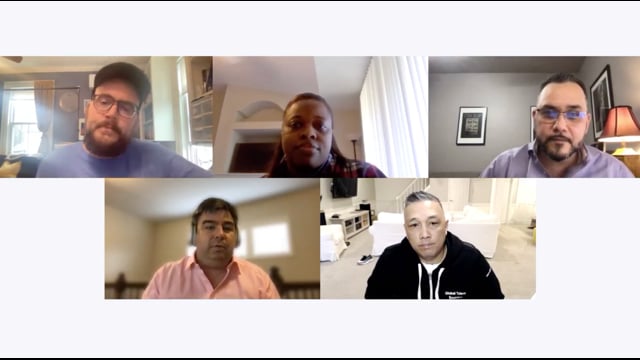
Candidate outreach lives or dies on the first few lines of a message, and a panel of sourcing and recruiting practitioners trade tactics on how to get those lines right. The conversation moves through message length, personalization, persistence, and how to respond when a candidate pushes back.
- One approach favors short messages under seven hundred characters built around six points of personalization: a named subject line, a casual greeting, a specific detail about the person's current employer, a reference pulled from their GitHub or LinkedIn, a mention of the project, and their name again at the close.
- Another view treats "shorter is better" as a myth, arguing that the first two lines set the tone and that a message running eight hundred to a thousand characters works fine if it reads like a real person talking rather than a corporate form letter.
- Calendar links in a first message are flagged as a possible spam trigger; putting the link in an email signature instead, or mixing manual scheduling with an assumptive close like "does Tuesday or Wednesday work," is offered as a safer alternative.
- Memes, emojis, and GIFs come up as ways to break the "stuffy corporate recruiter" tone, alongside a caution to read the audience: a senior engineer gets a different message than an entry-level candidate.
- Asking a non-responsive senior contact for a referral, sometimes with a small thank-you gift, is described as more effective than asking a rank-and-file candidate who they know.
- Persistence matters more than volume: rather than abandoning a candidate after one unanswered email, the recommendation is to try LinkedIn, a personal website contact form, a work email, or even a text before moving on, and to get a clear yes or no from an existing batch of candidates before sourcing a new one.
- A flat "no" is treated as often meaning "not enough information yet," and candidates who don't realize a recruiter is reaching out on behalf of the hiring company itself are cited as a real and recurring problem worth addressing directly in a signature line.
- Holding back salary details early is described as a way to build curiosity, closing instead with a low-pressure line inviting a conversation.