Turning Early-Career Hiring Into a Strategic Asset In a Shifting Market
October 6, 2022 · Webinars ·
Speakers


About this video
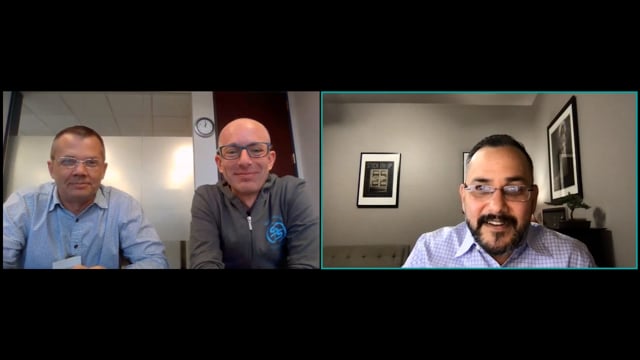
A conversation between two longtime talent acquisition practitioners reframes what recruiters are actually responsible for, then applies that framing to salary competition, early-career hiring, internal mobility, and age bias.
The starting premise: a recruiter's core job isn't filling requisitions or building teams outright. It's serving as an advisor to hiring managers and leadership, showing them the market, setting realistic expectations, and coaching them on decisions they ultimately own. Recruiters, especially those running one-person teams, rarely have hiring authority or budget control, so influence has to come through expertise rather than authority.
From there, the discussion moves into how the market has changed since the pandemic without most companies actually changing their hiring processes to match. Points covered include:
- Why "quiet quitting" is better understood as a pushback against hustle culture than as disengagement, and what that means for how offers and expectations get framed
- How remote work turned local hiring into national and even global competition, forcing employers who once relied on geographic advantage to compete on other terms
- Why career pages, job descriptions, and interview processes have largely stayed frozen even as candidate priorities shifted around flexibility, purpose, and work-life balance
- How to address age discrimination directly by selling older candidates on business maturity, mentorship value, and skill fit rather than letting "culture fit" become a proxy for age
- A real example of a team that hired someone twice the age of their peers into an early-career-heavy group, and the stabilizing, mentoring effect it had
- Using purpose-driven pitches, such as fixing broken interactions with government services, to attract candidates who might otherwise chase only salary
Salary competition, expanding talent pools through intern and early-career pipelines, and promoting internal growth opportunities are treated as connected strategies rather than separate tactics: companies that can't win on pay alone need other ways to widen and deepen their candidate pools, and building a visible culture of internal advancement is one of the more durable ones.
Recruiters have no hiring authority and no budget. Their job is to show hiring managers the market and advise them on their decisions.
The throughline is a case for treating recruiting less as a fulfillment function and more as an ongoing advisory relationship with the business, particularly as talent pools shift, shrink, and reshape themselves in ways that job descriptions and interview processes haven't caught up to yet.