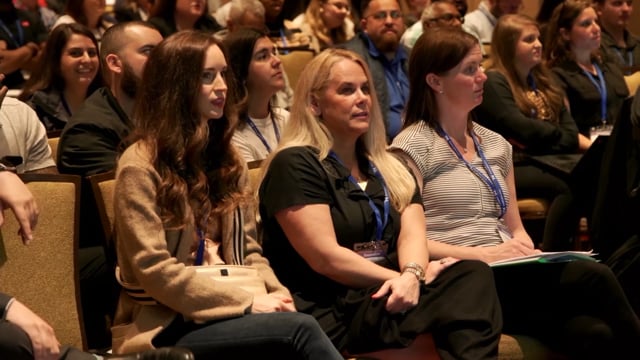
Unlearning – How to be an Inclusive Sourcer
April 12, 2023 · SourceCon Spring 2023 ·
Speakers
About this video
Much of the standard advice on sourcing for diversity, equity, inclusion and belonging has been recycled for over a decade without anyone checking whether it still works, or ever did. A widely repeated checklist, first written in 2011, gets read aloud and picked apart line by line, followed by a look at why so many of its recommendations never translated into real change.
The core problem is unlearning: the habits, assumptions and shortcuts that recruiters and sourcers absorbed from managers who were taught the same things years earlier. Several of those habits get named directly:
- Treating DEIB as "everyone's" responsibility, which in practice means no one owns it. Ownership has to sit with the individual sourcer, not a vague collective.
- Assuming sourcing for underrepresented candidates is harder or impossible without executive buy-in. It requires a different approach and a clear story about how a company actually supports the people it hires, but it does not require permission from the top.
- Counting new hires as a diversity win without tracking attrition. Programs celebrating hundreds of new hires from underrepresented groups sometimes lose far more employees the same year, a number that rarely makes it into the report.
- Relying on outdated, Googleable lists, including a much-shared ranking of women's colleges that predates its own accreditation changes, still cited by recruiters who never checked whether the schools it names still exist.
- Defaulting to HBCUs as the only source for Black software engineering candidates, when data shows schools like Georgia Tech actually produce more candidates in that specific talent pool.
- Posting on niche or "diverse" job boards instead of the same major boards everyone already uses, since candidates from underrepresented communities are searching in the same places as everyone else.
In place of those habits, the emphasis shifts to finding and joining active communities directly: searching LinkedIn and social platforms for groups like the Black Code Collective, checking who engages with recent posts to find titles and specialties, and searching GitHub-linked directories and sites like slofile.com to locate Slack communities organized by role, location or identity. Organizations serving developers who are deaf, blind or neurodivergent, including specific university programs, get named as concrete, underused sourcing channels rather than an afterthought.
The throughline is uncomfortable but simple: change requires discomfort, honest accounting of what isn't working, and a willingness to reach out to unfamiliar communities the same way recruiters already reach out to strangers for any other role.