What the Military Taught Me — and Can Teach You — to Recruit During a Pandemic
October 10, 2020 · ERE Digital Fall 2020 ·
Speakers

About this video
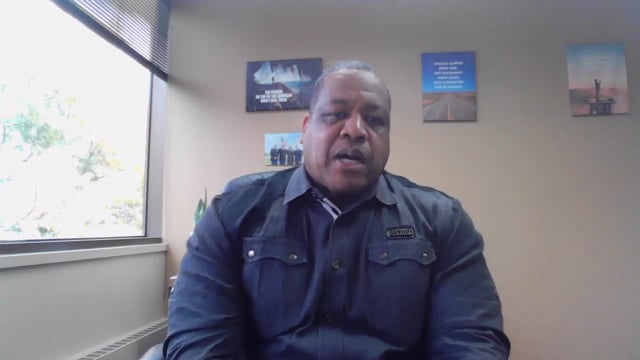
Recruiting through a crisis calls for the same instincts that carry soldiers through chaos: composure, adaptability, and a refusal to quit. Military principles translate directly into practical guidance for talent acquisition teams navigating remote work, video interviews, and a hiring landscape reshaped by the pandemic.
- Controlled chaos. When everything around a recruiting process is in flux, the priority is to maintain composure and stay focused on the mission rather than the disruption.
- Keep it simple. Borrowed from the military's KISS method, this means stripping hiring processes down to what actually works instead of overcomplicating outreach and screening.
- Adapt the toolkit. Recruiters have shifted heavily toward social media, video conferencing, texting, and even chatbots and AI tools to reach candidates who are sheltering at home, alongside a return to old-fashioned phone calls.
- Embrace the suck. Rather than resisting a difficult hiring environment, finding something to latch onto and working through it produces better results than waiting for conditions to improve.
- Communication under new scrutiny. Video and text put grammar, tone, and professionalism on display in ways phone calls never did, making every message a reflection of the employer's brand.
- Empathy for candidates at home. Kids, pets, and background noise during video interviews are signs of stress, not unprofessionalism, and should be met with patience rather than judgment.
- Tech fluency as an attractor. Using emojis, GIFs, and casual digital communication signals to younger candidates that a company is current and approachable.
- Accept setbacks, not failure. Recruiting teams that keep moving forward, keep learning new platforms, and refuse to give up on a search outperform those that stall out.
Practical advice for working with veteran candidates also comes up, including using military occupational specialty crosswalks to translate service records into civilian job requirements, enlisting veteran employees to screen resumes, and connecting with base transition assistance programs to reach separating service members. The recurring theme across all of it: character, integrity, authenticity, and leadership separate an average hiring process from an exceptional one.