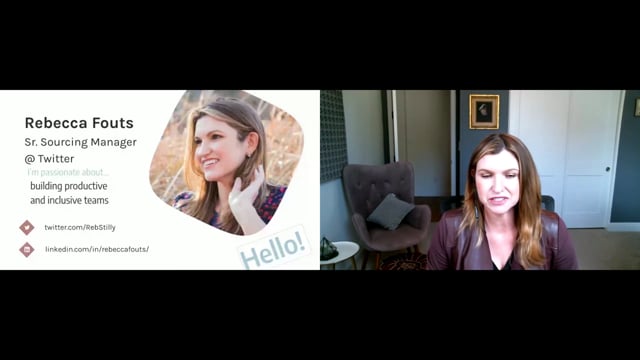
Challenge Accepted! Inspiring Remote Teams to Do Their Best Work
March 9, 2021 · SourceCon Digital Spring 2021 ·
Speakers

About this video
Recruiting leaders spent the past year juggling layoffs, hiring freezes, childcare, spotty internet, and a sudden mandate to make diversity a real priority rather than a talking point. Managing a distributed sourcing team through that stretch required more than good intentions — it required specific tools for understanding what motivates each person and holding a team together without an office to share.
Rather than relying on personality tests like DiSC or Myers-Briggs, which tend to box people into fixed types, a more useful starting point is an operating manual: a simple document where each team member answers questions about how they handle stress, how they like to receive feedback, whether they're a morning or night person, and what builds trust with them. Shared openly, these manuals become a guide for how colleagues should interact with one another.
Other practices that held a sourcing team together during a chaotic year include:
- Running StrengthsFinder as a group exercise, then reframing "negative" traits into positive ones, role-playing real hiring problems from each person's strengths, and using gaps in the team's collective strengths to guide future hiring for more neurodiversity
- Conducting competency self-assessments alongside manager assessments to set clear, fair expectations and surface where people want to grow
- Building an enablement calendar where team members of any seniority level teach sessions in their area of expertise
- Letting an employee restructure team workflow around Scrum-style pods, complete with stand-ups and retrospectives, after he expressed interest in project management rather than a long-term sourcing path
- Delegating dozens of annual goals across the team based on individual strengths, tracked through quick check-ins rather than top-down oversight
- Gathering coaching feedback from managers and peers, then being transparent with the team about which weaknesses are being worked on and asking them to hold their leader accountable
- Opening every team meeting with public shout-outs, celebrating life events and volunteer work, and extending recognition to partner teams outside recruiting
Together these practices point toward a mentorship-over-management approach: setting a clear baseline of expectations, then coaching toward growth rather than simply monitoring performance, while treating authenticity and vulnerability as leadership tools rather than liabilities.