Faster Hires and Better Retention with Authentic Engagement
November 29, 2022 · Webinars ·




About this video
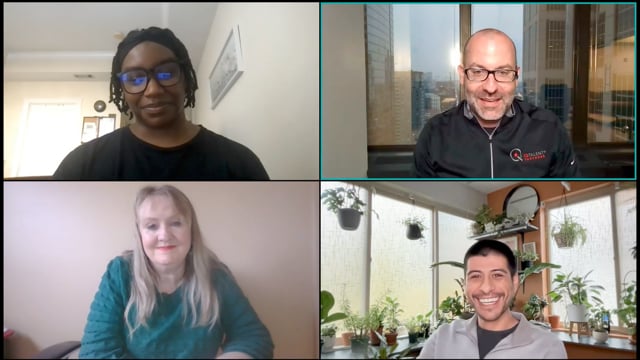
Recruiters from several companies compare notes on what authentic engagement actually looks like in day-to-day sourcing and hiring, and why it shortens time to fill while improving retention once someone accepts an offer.
- Ditch the mass template. Personalized outreach that references what a candidate actually cares about, rather than generic "great opportunity" messaging, builds mutual respect and gets more responses. Being upfront that you don't know everything about a candidate yet, and inviting an exploratory conversation, works better than pretending to have all the answers.
- Prep candidates like an advocate, not a gatekeeper. Walking candidates through every step of the process, practicing common interview questions with them, and sharing feedback from previous candidates lowers barriers and encourages people to ask the questions they're afraid will make them look unprepared.
- Build tangible prep materials. Interview prep guides tailored to specific roles (software engineering, engineering management, data science, business analysis) that cover process, culture, and what to expect can be handed to every candidate in a pipeline, closing the gap for candidates from non-traditional backgrounds who haven't interviewed at similar companies before.
- Humanize the hiring manager too. Sharing LinkedIn profiles or short bios of interviewers, giving candidates a sense of an interviewer's style, and even flagging which managers run a tougher interview helps candidates walk in less anxious and more themselves.
- Push for upfront transparency with hiring teams. Sharing interview topics or questions in advance, especially with panels of interviewers who aren't trained interviewers themselves, reduces unnecessary stress without compromising the evaluation.
- Treat interviewer feedback as a calibration tool. Feeding panel feedback back into sourcing criteria, and pushing back when that feedback doesn't line up with the rest of the process, keeps the bar consistent and fair.
- Sell the parts of the job candidates don't expect. Industries seen as less exciting on the surface can compete for early-career talent by leading with community involvement, career growth, and lesser-known parts of the business.
Self-awareness runs through all of it: recruiters who admit when a company has gaps, coach candidates to reset and reframe a rambling answer, and treat every "stupid question" as a legitimate one tend to build the kind of trust that turns into faster offers and employees who stick around.