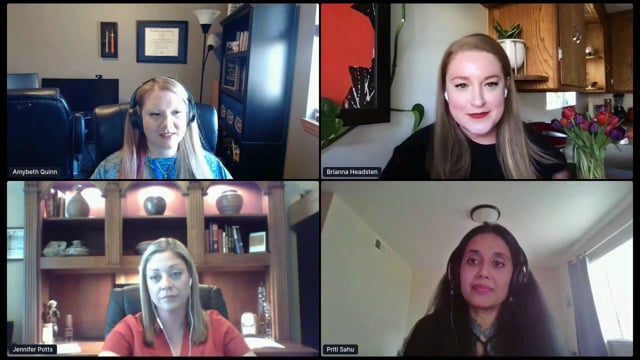
Fireside Chat: Choose Your Own Sourcing Adventure: A Discussion about Career Paths for Talent Sourcing
March 10, 2021 · SourceCon Digital Spring 2021 ·
.png)



About this video
Four women with backgrounds ranging from software development to public relations to psychology trace how they ended up building careers in talent sourcing rather than treating it as a stepping stone to full-cycle recruiting. Their paths were rarely direct, and that variety is the point: there is no single correct route into sourcing, and no single destination once you're in it.
Among the topics covered:
- How a background in public relations, software engineering, hospitality, or psychology translates directly into skills sourcers use daily, from competitive research to reading candidates and adapting to constant change.
- Why full-cycle recruiting experience is often the fastest way to discover what you don't want to do, and how that clarity points people toward sourcing, coordination, talent insights, or HR business partner roles instead.
- The case against treating sourcing as a junior, order-taking function that only reports up into recruiters, and what a full-cycle sourcing model looks like when sourcers advise hiring teams rather than just generate names.
- Talent research as its own specialized discipline within sourcing, covering market discovery, talent insight reports, and data analysis that feed directly into hiring strategy and employer branding.
- How managers can support individual career goals on a sourcing team, including job-shadowing programs, temporary role rotations, and learning pathways for people interested in moving into adjacent fields like data analytics or program management.
- Why formal education, even when unrelated to recruiting, builds transferable confidence and analytical skill that shows up in how sourcers screen, qualify, and engage candidates.
The through-line is a rejection of the idea that sourcing only exists to feed recruiters candidates before graduating into a "real" recruiting job. Instead, sourcing is presented as a specialized skill set with its own advancement paths, its own subdisciplines, and its own kind of professional satisfaction, one built on research, relationship-building, and market expertise rather than closing offers.
Gone are the days when the only career growth option for talent sourcers leads to full cycle recruiting.
Practical advice is offered for anyone building a sourcing career: identify what parts of the hiring process genuinely energize you, treat every job change as data about your own strengths, and look for organizations willing to invest in whatever direction that data points, whether that stays inside sourcing or leads somewhere else entirely.