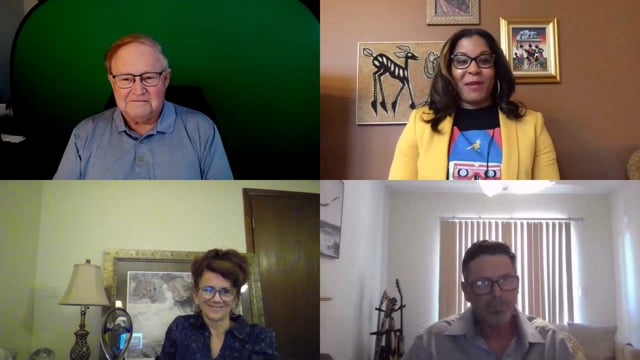
Looking Back on 20 Years of Recruiting
May 26, 2021 · ERE Digital Spring 2021 ·




About this video
A panel of recruiters with decades of combined experience trades stories and arguments about how talent acquisition has actually changed since the early days of applicant tracking systems, comparing what they predicted at industry conferences years ago with what actually happened.
Among the topics covered:
- Early ATS tools that could barely scan a resume, and how job boards like Career Mosaic, Monster, and Hot Jobs reshaped sourcing before disappearing or being replaced
- The moment candidates began profiling themselves online, which shifted power away from recruiters who had hoarded resume databases and toward candidates who wanted control over where their information went
- Predictions from twenty years ago that never came true, especially the belief that the paper resume would disappear once LinkedIn and other profiles made it redundant
- A case against traditional interviewing, arguing that it is poorly predictive of job performance and that companies overcomplicate hiring instead of clearly defining what a role actually requires
- Why hiring managers often cannot articulate what they want in a candidate, and how better communication between recruiters and managers matters more than adding more assessment steps
- Impact sourcing as a way recruiters can put people below the poverty line into paid work, described as one of the most meaningful uses of the profession
- Advice for newer recruiters centered on relationship building, empathy for what candidates are going through, and staying focused on business impact rather than process for its own sake
The conversation also touches on the reputational problems recruiters face, why "ghosting" between candidates and recruiters became common on both sides, and what has kept longtime practitioners in the profession through multiple waves of technology change.
It doesn't matter what we're doing if it's not impacting success to the business, period.
Practical takeaways include rethinking whether resumes are still necessary, pushing back on interview-heavy hiring processes in favor of clearer job definitions, and treating relationship building with both hiring managers and candidates as the real differentiator between an average recruiter and one people trust.