To The Victor Goes The Spoils: Re-Writing Sourcing History!
March 10, 2022 · SourceCon Digital Spring 2022 ·
Speakers

About this video
Sourcing did not always look like it does now. Before the internet, it meant traded Rolodexes, faxed lead lists, and cold-calling drawers full of names. The profession did not get named as such until the mid-2000s, and it took years of thought leaders, communities, and conferences to turn it into the specialized, well-compensated career path it has become.
Tracing that path from order-taking recruiter support to a standalone vertical within talent acquisition surfaces several ideas worth carrying forward:
- Sourcing has splintered into distinct disciplines: pipelining, research, branding, executive search, OSINT, and market intelligence, each with its own skill set and career ladder that does not require becoming a full-cycle recruiter to advance.
- Reduced reliance on external agencies means sourcing teams now function as an internal agency to the business, generating competitive intelligence and total-addressable-market data that used to be outsourced and lost once the invoice was paid.
- Because sourcing work often does not map cleanly onto a traditional req, proving its value has pushed many teams into operations, tracking impact through ticketing systems or timestamps rather than standard applicant-tracking metrics.
- Compensation has risen sharply, with some sourcers reporting jumps of thirty to sixty thousand dollars over previous salaries, driven by a labor market where technical and clinical roles alike are expanding faster than in decades.
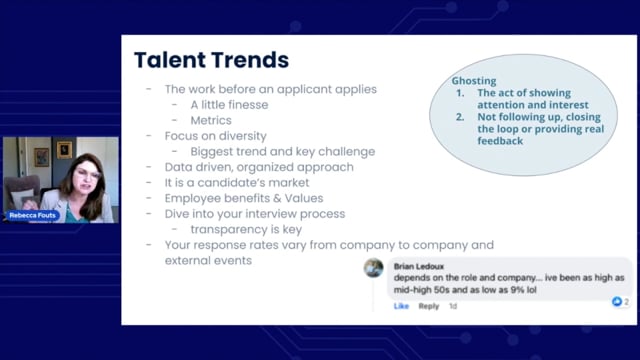
- The tech sector's diversity numbers remain weak, particularly in specialized areas like security, which puts pressure on sourcers to rethink intake questions around what can be trained rather than screening only for existing credentials.
- A high percentage of the workforce is open to moving right now, and candidates increasingly choose employers whose values and community involvement resonate with them over those offering the highest pay.
- Internal mobility channels, where departing employees are offered mentorship, certification support, or a next role before they walk out the door, can turn attrition into a better long-term relationship instead of a scramble to backfill.
The larger point running through all of it: sourcing has earned a seat as an equal, distinct division of talent acquisition, but keeping that seat means knowing where the lane ends, reporting to leaders who actually value the function, and continuing to tell a clear story about the return sourcing produces for the business.