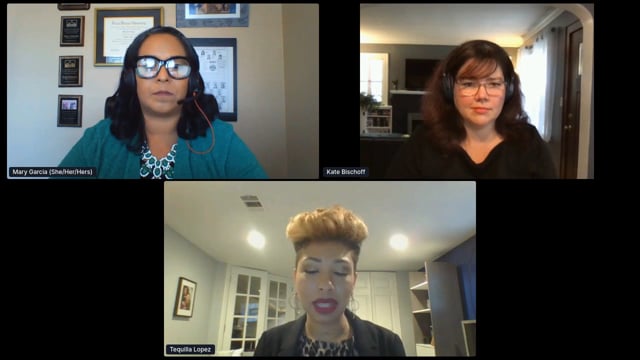
Hire For Diversity Without Breaking The Law
October 20, 2020 · ERE Digital Fall 2020 ·



About this video
Building a genuinely diverse candidate pool takes more than a statement on a careers page, and doing it well means understanding both the recruiting tactics and the legal lines that shouldn't be crossed. The conversation covers how talent acquisition teams can move past vague "unicorn" candidate profiles and instead build real pipelines ahead of need, rather than scrambling once a requisition opens.
Key practices discussed include:
- Moving beyond a short list of elite schools when building HBCU, HSI, and MSI partnerships, and instead matching specific degree programs to actual talent gaps
- Building year-round relationships with schools and communities rather than one-time sponsorships, including sharing culture and department-specific content to keep candidates engaged
- Hosting targeted networking events for roles that don't exist yet, so leaders can build relationships with potential hires before there's an opening
- Treating the first ninety days of onboarding as critical to retention, since new hires are still deciding whether they made the right choice
- Equipping recruiters and hiring managers with real sourcing skills rather than mandating diversity quotas on a slate, since quality has to accompany representation
- Getting hiring managers comfortable naming bias directly, examining where it shows up in the interview and selection funnel, and tracking where candidates drop out by demographic group
- Being specific about what kind of diversity a team actually needs rather than treating the word as a catch-all
- Handling COVID-era questions carefully: what employers can legally ask about exposure or symptoms, and why family status and caretaker responsibilities remain protected categories even amid pandemic flexibility
- Weighing the pros and cons of redacted or blind resumes, and why a strong sourcing strategy matters more than stripping identifying information
- Why diversity efforts fail without visible executive buy-in and dedicated budget, rather than being left solely to a diversity office
The discussion also addresses legal risk directly, including recent executive orders affecting bias training, family status discrimination, and why treating hiring managers as suspects rather than partners can backfire even when the intent is good.